(Last Update: 11/03/2025)
This content is created with integrity and impartiality; we do not receive direct compensation for this review. See our Mission and Core Values here.
Welcome to "Sleep Apnea Secondary to Tinnitus: Strategies for Relief," where we delve into the intricate, causal connection between tinnitus and sleep apnea and its profound impact on individuals' lives.
This post aims to show how these conditions intertwine, leading to sleep disturbances and reduced quality of life.
We will explore effective strategies and innovative solutions to manage and alleviate symptoms, offering hope and guidance to those navigating the challenges of living with tinnitus-induced sleep apnea.
What Is Sleep Apnea Secondary to Tinnitus?
When sleep apnea occurs as a severe secondary condition to tinnitus, it presents a unique challenge in identification and management. Understanding the interplay between the severity of these two conditions is crucial for those seeking relief and returning to restful nights.
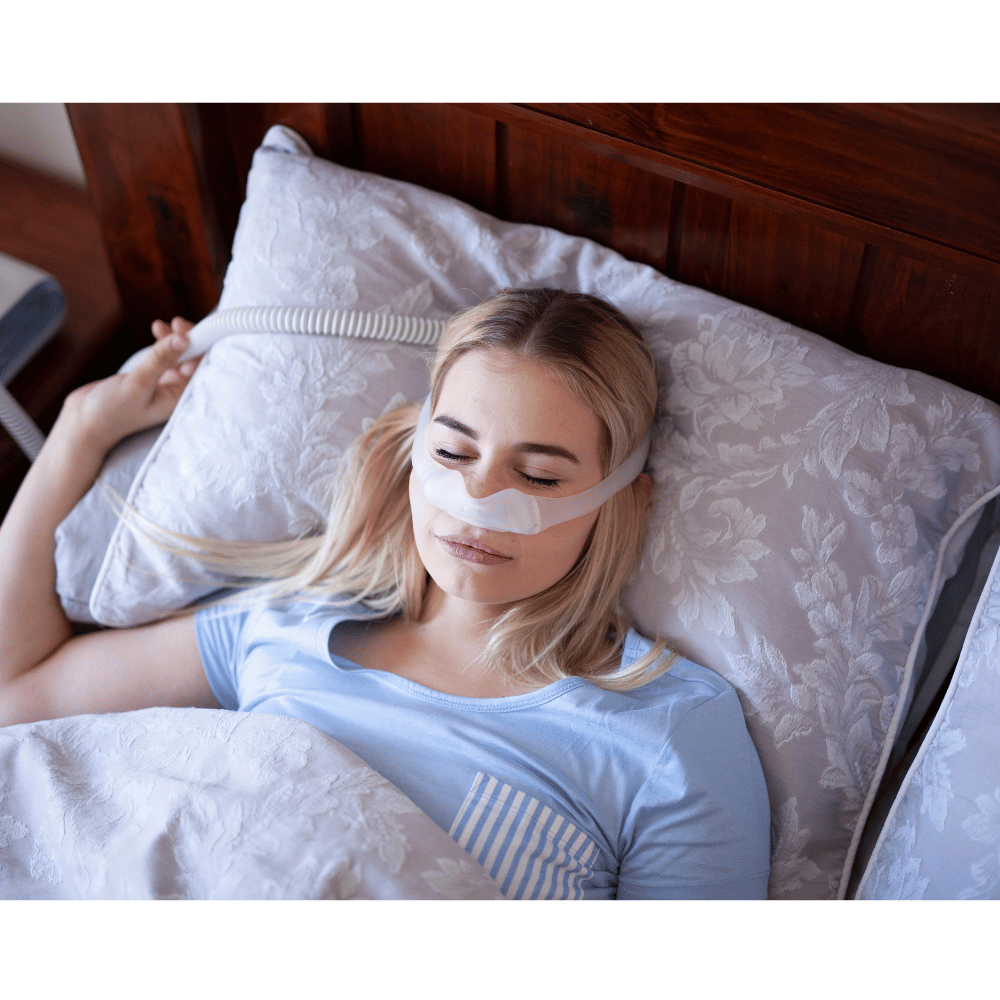
Obstructive Sleep Apnea (OSA)
Characterized by airway blockages during sleep, OSA is the most common form. The Obstructive Sleep Apnea Syndrome is a sleep disorder where airway blockages cause breathing pauses, disrupting sleep and lowering oxygen levels.
Central Sleep Apnea (CSA)
- CSA involves the brain failing to signal muscles to breathe.
Complex Sleep Apnea Syndrome
- This form combines OSA and CSA symptoms.
- When these types of sleep apnea occur as secondary conditions to severe tinnitus. The interplay between sleep apnea and tinnitus necessitates a comprehensive approach to treatment.
What is Tinnitus?
Many veterans seeking VA benefits experience both sleep apnea and tinnitus, two common conditions that often overlap. Studies show a significant association between oxygen deprivation during sleep and the persistent ringing of tinnitus.
When oxygen levels drop, the inner ear may suffer nerve stress, which can cause tinnitus or worsen its symptoms. This vicious cycle can make it hard to fall asleep, snore loudly, and suffer daytime sleepiness or morning headaches.
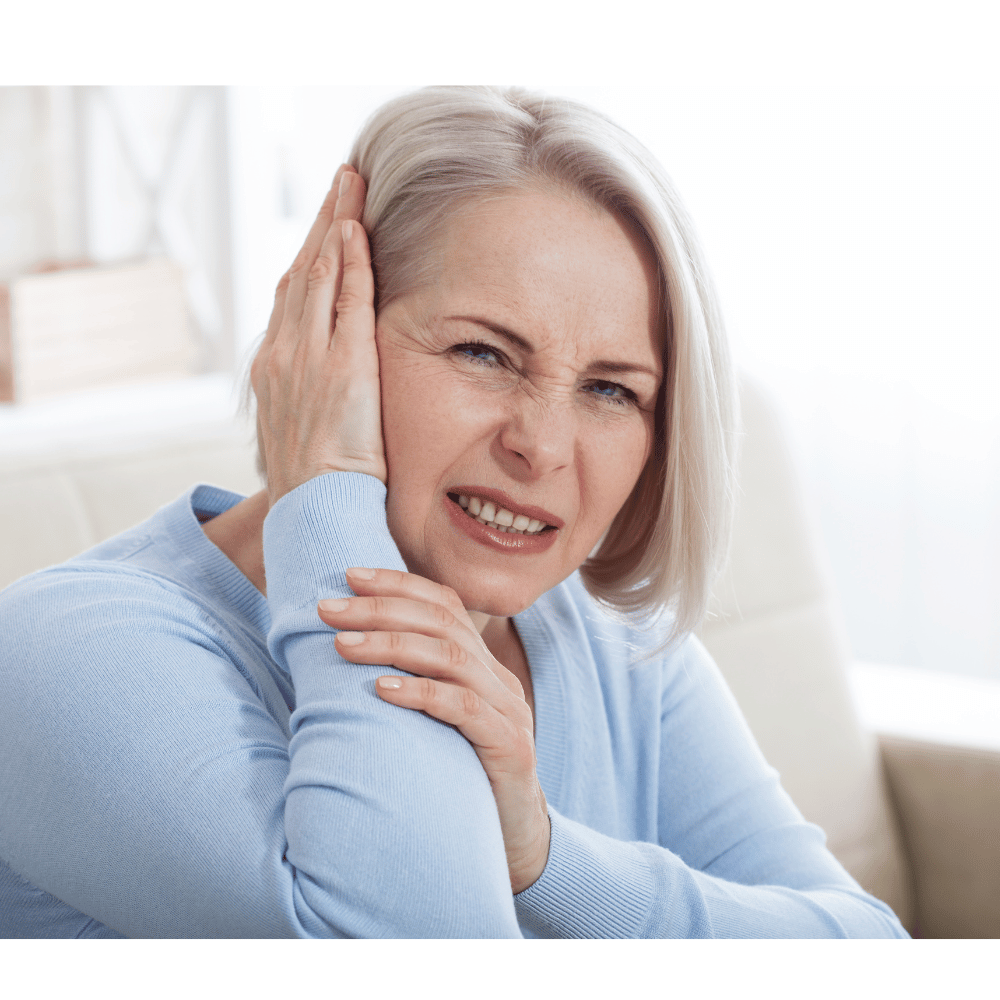
Tinnitus is characterized by hearing and other noises, like ringing, buzzing, or humming, in the ears when no external sound is present. It can result from various causes, including exposure to loud noise, ear infections, or age-related hearing loss.
To help monitor and document your symptoms more effectively, you can explore top sleep apnea monitors that track breathing interruptions and blood oxygen levels while you sleep—valuable tools when preparing a strong VA claim.
How Tinnitus Contributes to Sleep Apnea
For many veterans, tinnitus contributes to poor sleep quality, which may eventually lead to apnea secondary to tinnitus.
The constant ringing in the ears triggers anxiety, tension, and trouble sleeping, creating the perfect setup for oxygen deprivation and interrupted breathing. Over several years, the two conditions become highly correlated, affecting overall health and daily functioning.
Common Symptoms and Signs
Nighttime Symptoms
- Individuals suffering from sleep apnea secondary to tinnitus often report a distinct set of nighttime symptoms. These include disrupted sleep due to frequent awakenings from loud noises, a direct result of the intrusive nature of tinnitus sounds.
- Moreover, typical sleep apnea symptoms such as loud snoring, gasping for air, or experiencing breathing pauses are common.
- The co-occurrence of one study of these tinnitus symptoms can significantly impact sleep efficiency.
Veterans who use an adjustable bed often find improved airflow and reduced snoring. Discover how an adjustable bed can support sleep apnea relief and spinal comfort.
Daytime Effects
The daytime effects of sleep apnea are multifaceted. Chronic fatigue is a predominant complaint stemming from poor sleep quality.
This fatigue can exacerbate the perception of tinnitus and daytime fatigue.
Understanding how sleep impacts brain and body healing is essential; this guide on why we sleep explains the deep connection between rest, immunity, and chronic conditions like tinnitus and sleep apnea.
Diagnosis: Connecting Tinnitus with Sleep Apnea
Clinical Evaluation
- Diagnosing sleep disturbance secondary to tinnitus involves a comprehensive clinical evaluation.
- Healthcare providers will often conduct a thorough history and physical examination, paying close attention to the patient's sleep patterns, daytime symptoms, and the specific characteristics of their tinnitus.
- This evaluation may include discussing secondary conditions in the patient's medical history and focusing on factors contributing to or exacerbating both conditions.
Specialized Testing of Related Diseases
- Specialized testing plays a pivotal role in connecting tinnitus with sleep apnea. A polysomnogram, or sleep study, is commonly used to diagnose sleep apnea by monitoring various physiological parameters during sleep.
- Audiological exams may also be conducted to assess the severity and impact of tinnitus.
- Sleep apnea is related to oxygen levels. It is a condition in which breathing frequently stops and starts during sleep, leading to decreased oxygen levels in the blood. This oxygen reduction can have various health implications.
When building your VA claim, it’s helpful to reference the ICD-10 sleep apnea classification and medical evidence standards to strengthen your disability documentation.
How Sleep Disruption Affects the Body
Interrupted breathing can stress the breathing muscles, reduce blood oxygen levels, and even lead to carbon dioxide retention. Over time, this can result in chronic respiratory failure and contribute to cardiovascular disease or coronary artery disease.
Many veterans find that using a mattress overlay for pressure relief helps keep the spine and neck aligned, reducing strain on breathing muscles and easing apnea-related fatigue.
How does sleep apnea secondary to tinnitus Affect Military Veterans?
The United States Department of Veterans Affairs recognizes sleep apnea secondary to tinnitus as a service connected condition when proper medical evidence supports the secondary claim.
To qualify, veterans must show a service connection between military service, veteran’s tinnitus, and sleep issues.
Providing medical records, a sleep study, or an external source confirming a potential correlation helps prove that sleep apnea may stem from tinnitus or other secondary conditions.
VA Disability Claims
- Many veterans who experience tinnitus may also develop sleep disorders. Evidence suggests that sleep apnea may worsen auditory sensitivity and increase fatigue associated with tinnitus. This link is particularly strong in older adults and those with ear injuries.
- The claim process requires thorough documentation to establish the health issues as service-connected, a step vital for a veteran to secure the deserved recognition and support.
- Supporting Your VA Claim: Veterans seeking to claim sleep apnea secondary to tinnitus should gather detailed medical records and work with a veterans service officer to file a well-documented secondary claim. Referencing VA claim guidelines is key to building a strong case.
If you’re sensitive to allergens or chemical irritants, choosing a certified mattress may support your breathing and help manage tinnitus-related sensitivity to environmental triggers.
Understanding the VA Rating for Sleep Apnea
The VA rating for sleep apnea varies based on severity and required treatments. Veterans using an other breathing assistance device—such as a continuous airway pressure (CPAP) machine—often qualify for a higher rating.
Those who need medical attention for severe apnea or oxygen levels that drop significantly can receive monthly compensation through the Department of Veterans Affairs.
Service Connection and VA Benefits
- Successfully proving a secondary service connection for sleep apnea related to tinnitus can substantially impact a veteran's VA disability rating.
- What is a VA disability rating? It is a percentage of military personnel with extensive experience assigned to a veteran's service-connected injury or illness.
- This determination of VA rating is critical, as it directly influences access to VA benefits, which provide much-needed assistance in addressing health challenges after serving their country.
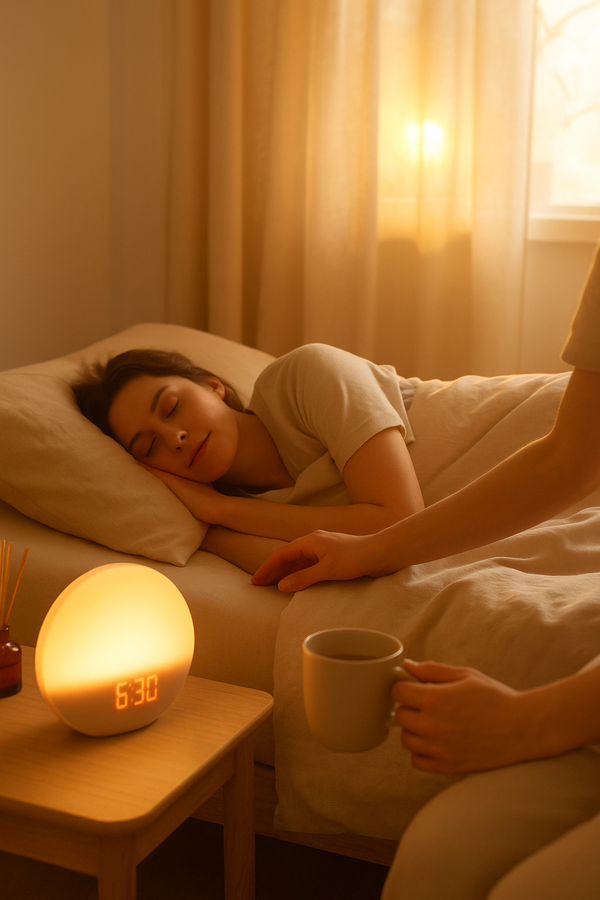
If you're dealing with frequent night awakenings or sleep disruptions, learning to wake gently from deep sleep can be crucial—especially for those using CPAP machines or other devices.
- Navigating Benefits and Compensation
By establishing the connection between tinnitus and sleep apnea, veterans may access disability benefits, receive monthly compensation, and potentially qualify for higher compensation if their sleep apnea service is considered service related.
If your sleep study is pending or incomplete, using one of the best sleep apnea monitors can help track oxygen levels and gather vital data for your VA evaluation.
C&P Exam and Additional Secondary Claims
A C&P exam (Compensation & Pension) plays a key role in verifying your disability rating. During this evaluation, examiners determine whether tinnitus contributes to your sleep apnea and if there’s a direct service connection.
Veterans may also file other secondary conditions, such as anxiety or depression caused by trouble sleeping, to significantly enhance their va disability outcome.
Building Strong Medical Evidence
The most important step in securing a VA disability rating is presenting the right evidence. Veterans should gather all medical records, results from a sleep study, and documentation from medical professionals showing how the two conditions interact.
Evidence of difficulty concentrating, daily fatigue, or carbon dioxide retention can demonstrate how sleep apnea affects daily life and daily activities.
Veterans Health Complications :
For veterans, high blood pressure often complicates the already difficult journey of managing sleep apnea secondary to tinnitus.
- Recognizing and treating these conditions as interconnected is essential for improving veterans' quality of life.
While Tinnitus may not cause hearing loss, it is often a symptom of an underlying condition that may affect hearing. It is characterized by hearing noises like ringing, buzzing, or humming in the ears when no external sound is present.
Identifying this sleep apnea requires a nuanced understanding of both conditions and a tailored approach to diagnosis and treatment.
Comfort matters when managing sleep apnea and tinnitus together—these top-rated mattress toppers offer pressure relief that helps you stay asleep longer, especially if you wake frequently throughout the night.
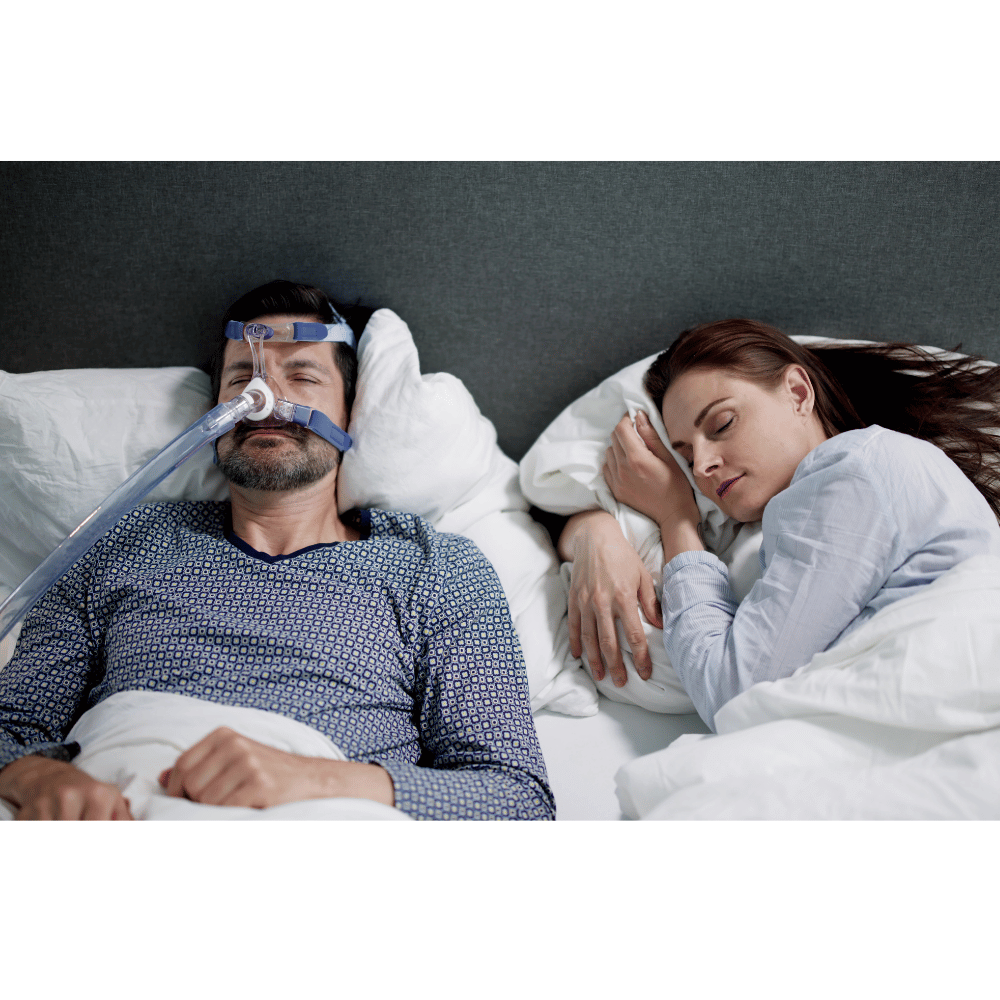
Strategies for Managing Tinnitus-Induced Sleep Apnea
Dealing with sleep apnea influenced or exacerbated by tinnitus requires a strategic approach to mitigate symptoms and improve sleep efficiency.
Lifestyle Adjustments for Improved Sleep
- Sound Masking: Utilize white noise machines or apps to mask the ringing of tinnitus, which can help distract the brain and facilitate easier sleep onset.
- Comfort and Calm: Ensure the bedroom is cool, dark, and quiet. Investing in comfortable bedding and minimizing light exposure can significantly impact sleep quality.
Health and Dietary Considerations
- Avoid Stimulants: Reduce consumption of caffeine and alcohol, particularly in the hours leading up to bedtime, as they can exacerbate tinnitus and disrupt sleep patterns.
- Regular Exercise: Consistent physical activity can improve overall sleep quality and reduce the intensity of sleep apnea symptoms.
For veterans struggling with service-related sleep conditions, this mattress guide for sleep disorders highlights bed options designed to ease breathing and improve rest.
Behavioral Therapies: Mindfulness and Relaxation Techniques
Mindfulness Meditation
- Stress Reduction: Mindfulness meditation can reduce stress levels, often exacerbating tinnitus and sleep apnea symptoms. By focusing on the present and employing deep breathing techniques, individuals can achieve a state of calm before bedtime.
- Routine Implementation: Incorporating a short meditation session into the nightly routine can signal to the body that it’s time to wind down, preparing the mind for sleep.
Relaxation Techniques
- Progressive Muscle Relaxation (PMR): PMR involves tensing and slowly relaxing different muscle groups. This practice can ease the physical tension that might contribute to difficulty falling asleep.
- Guided Imagery: Listening to guided imagery or relaxation scripts can divert attention from tinnitus sounds and induce sleepiness.
Those experiencing tinnitus-related insomnia or trouble sleeping may benefit from natural support. Learn how the Relaxium Sleep Aid promotes restorative rest and calmness.
Medical Interventions for Relief
Navigating the challenges of sleep apnea, especially when compounded by tinnitus, requires a multifaceted treatment approach.
Medical interventions offer significant relief, with options ranging from CPAP therapy to alternative treatments like oral appliances and surgery.
Understanding these options can guide sufferers toward making informed decisions that enhance their sleep efficiency and life.
Treatment and Relief Options
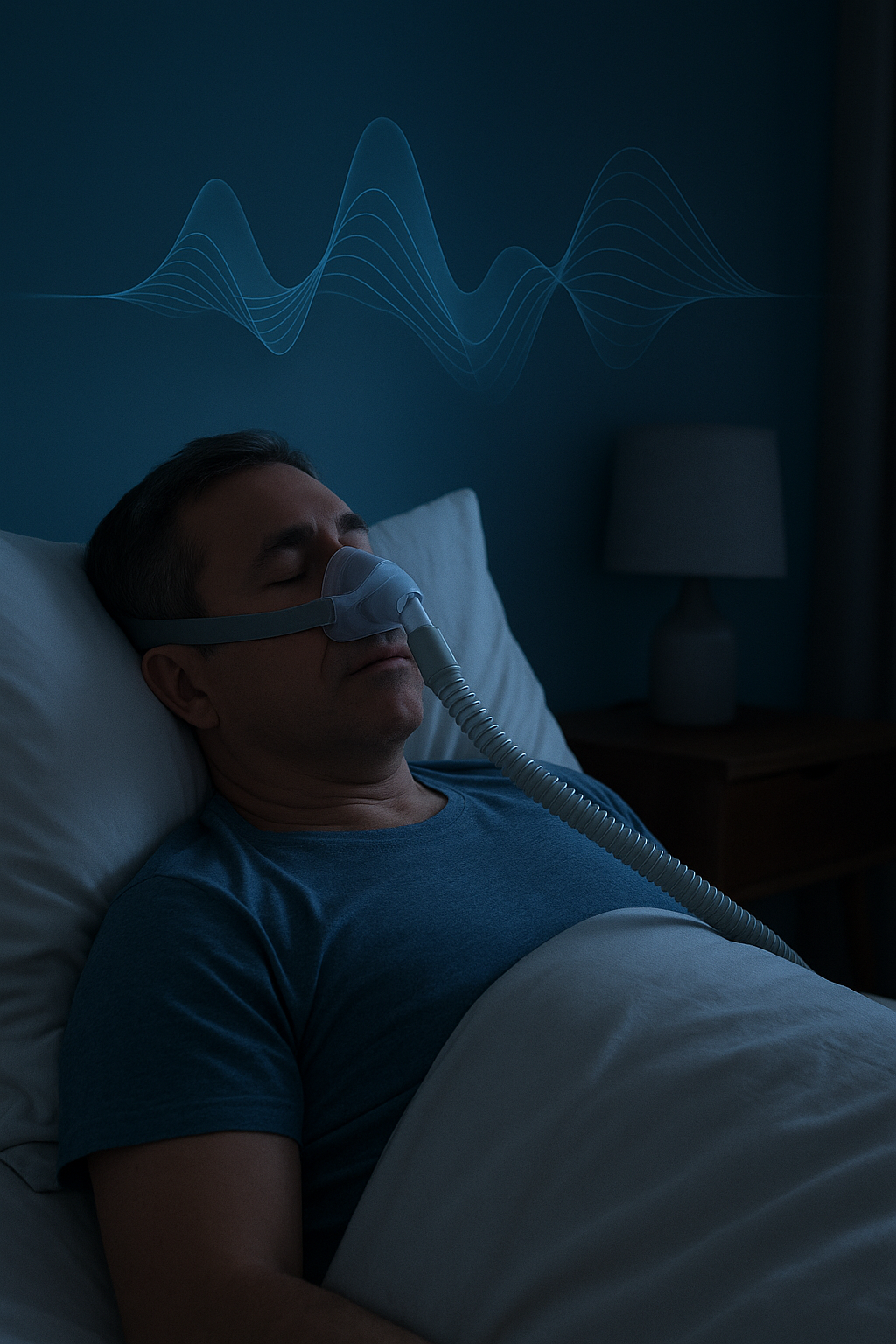
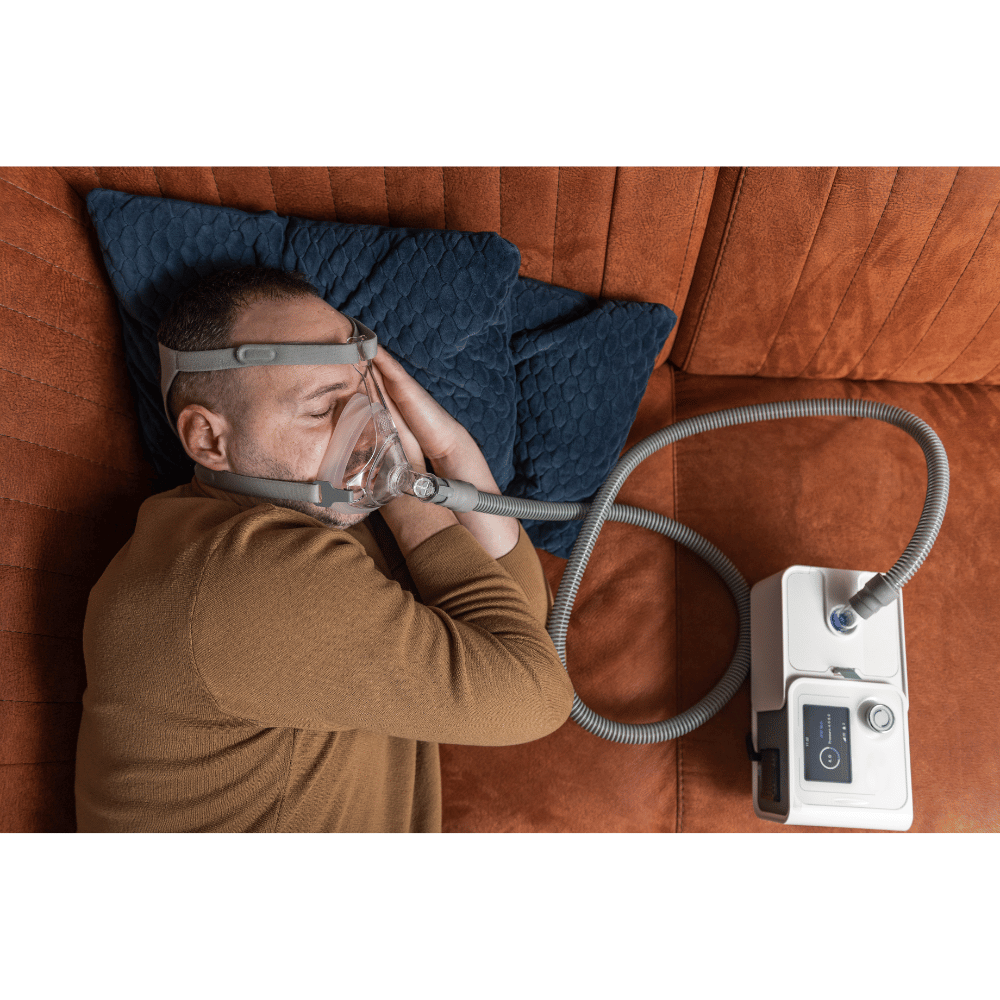
Devices like continuous positive airway pressure or an other breathing assistance device may significantly enhance sleep quality. These support weakened throat muscles and help manage obstructive sleep apnea symptoms.
CPAP Therapy: Adapting for Tinnitus Sufferers
Customizing CPAP Settings
- Adjustable Pressure Settings: Tinnitus sufferers can benefit from a CPAP machine that allows for personalized pressure settings, ensuring comfort while effectively keeping the airway open.
- Sound-Masking Features: Some CPAP devices come with built-in white noise generators or allow for external sound therapy devices to be connected, helping mask tinnitus sounds and facilitate easier sleep.
Getting restorative core sleep is vital for tinnitus and apnea sufferers; this article explains how deep sleep recovery works and why optimizing your nightly rest matters for long-term relief.
Alternative Treatments: Oral Appliances and Surgery Options
Oral Appliances for Sleep Apnea
- Mandibular Advancement Devices (MADs): These devices gently push the lower jaw forward, enlarging the airway and reducing sleep apnea symptoms. For those with tinnitus, MADs can offer a quieter, more comfortable alternative to CPAP therapy.
- Tongue-Retaining Devices (TRDs): TRDs hold the tongue in place to keep the airway open. They are less intrusive and can be easier for some sleep apnea patients patients to tolerate.
Surgical Interventions
- Uvulopalatopharyngoplasty (UPPP) removes excess tissue from the throat, widening the airway. It's suited for patients with obstructive sleep apnea whose tinnitus may be exacerbated by apneic events.
- Inspire Therapy: A more recent advancement, Inspire Therapy consists of the surgical implantation of a device that stimulates the nerves controlling the tongue and airway muscles.
Innovative Therapies and Emerging Research
The treatment landscape for conditions like tinnitus and sleep apnea is ever-evolving, with innovative therapies and groundbreaking research leading the charge toward more effective and less invasive solutions.
These advancements promise a future where managing these conditions could become significant.
Sound Therapy for Tinnitus and Sleep Apnea
Utilizing White Noise and Sound Masking
- Sound therapy has emerged as a cornerstone in treating tinnitus, utilizing white noise or specific frequencies to mask the intrusive sounds experienced by sufferers.
The Future of Treatment: Technological Advances
Wearable Technology and Monitoring Devices
- Integrating wearable technology into managing sleep apnea and many other conditions in tinnitus patients represents a significant leap forward.
- Devices that monitor sleep patterns, sleep-disordered breathing, and even heart rate offer real-time data that can adjust treatment plans dynamically.
Gene Therapy and Molecular Medicine
- At the forefront of emerging research is exploring gene therapy and molecular medicine as potential cures for tinnitus and sleep apnea.
- Though still in the early stages, this research holds the promise of fundamentally changing the approach to treatment.
If you suspect your mattress might be making symptoms worse, learn how sleep surfaces impact breathing and health—especially for those prone to snoring, airway obstruction, or neck misalignment.
Personal Management: Tips from the Community
Living with tinnitus-induced sleep apnea can be challenging, but personal management strategies developed through community wisdom offer practical ways to mitigate symptoms and improve quality of life.
Daily Routines for Managing Symptoms
Creating a consistent sleep routine is essential to the cornerstone tips shared by individuals who have navigated the complexities of tinnitus and sleep apnea.
Going to bed and waking up at the same time daily helps regulate the body's internal clock, improving sleep quality over time.
For veterans with tinnitus and apnea, creating a low-noise, breathable space is key—this sleep environment guide shows how the right pillows and mattresses can reduce sleep interruptions and ease discomfort.
Getting Help and Moving Forward
If you experience tinnitus and suffer from sleep apnea secondary to tinnitus, don’t ignore the symptoms.
Consult medical professionals, maintain thorough documentation, and work with the Department of Veterans Affairs to ensure your service connected claim is properly supported.
understanding the exact cause and presenting strong medical evidence, other veterans can gain fair va ratings and improve their daily functioning—ultimately achieving the rest and recovery they deserve.
Reduced oxygen during apnea affects focus and recovery. This guide on how your brain and body heal during sleep explains why rest quality impacts daily functioning.
CONCLUSION:
Navigating the challenges of sleep apnea secondary to tinnitus requires a multifaceted approach, blending lifestyle changes, medical interventions, and mental health support.
We've explored various strategies that promise improved sleep and health, emphasizing the importance of personalized care and resilience.
As you continue to manage these conditions, remember that progress is possible, and relief is within reach. Stay encouraged, seek support, and embrace each step toward a restful night and a healthier life.
FAQs
What is service-connected tinnitus?
Service-connected tinnitus is recognized by the Department of Veterans Affairs (VA) as linked to military service, making veterans eligible for compensation and healthcare. It requires evidence of the condition arising or worsening due to service duties, establishing a direct connection to their time in the military.
Which one is related to weight gain, tinnitus, or sleep apnea?
Sleep apnea is more directly related to weight gain. Obesity is a serious risk for sleep apnea, as excess weight, especially around the neck, may obstruct the airway during sleep, leading to the condition. Weight gain can exacerbate sleep apnea or increase the risk of developing it.
Can tinnitus cause sleep apnea?
While tinnitus itself doesn’t directly cause sleep apnea, research shows a significant association between the two conditions. The persistent ringing in the ears increases stress and trouble sleeping, which can worsen oxygen deprivation and breathing irregularities during rest. Over time, this link contributes to secondary conditions like fatigue and poor daily functioning in veterans.
How do I file a VA claim for sleep apnea secondary to tinnitus?
To file a VA claim for sleep apnea secondary to tinnitus, veterans must show a service connection through solid medical evidence, including medical records, a sleep study, and possibly a C&P exam. The Department of Veterans Affairs typically assigns an apnea VA rating based on severity, need for an other breathing assistance device (like CPAP), and how symptoms affect daily life.
What is the VA disability rating for sleep apnea secondary to tinnitus?
The VA disability rating for sleep apnea secondary to tinnitus can range from 0% to 100%, depending on the condition’s impact. Veterans who use a CPAP or other breathing assistance device usually qualify for a 50% disability rating. Providing medical evidence that your tinnitus and sleep apnea are service connected can significantly increase your monthly compensation.