(Last Update: 11/23/2025)
Accidents happen, but urine smell doesn’t have to ruin your mattress. Acting quickly and using the right steps prevents human urine or pet urine from soaking deeper into the foam.
Urine forms crystals that release a strong smell when the bed warms up at night.
This comprehensive guide explains how to immediately remove moisture, use white vinegar, dish soap, or area with baking soda correctly, and avoid common mistakes.
With the right approach, you can restore your mattress fresh, prevent future spills and stains, and get back to peaceful sleep.
Why Urine Sets Into a Mattress and Becomes Hard to Remove
Urine soaks quickly into a mattress because most contain absorbent foam that traps liquid beneath the surface. Limited airflow allows moisture to linger, creating the perfect environment for bacteria.
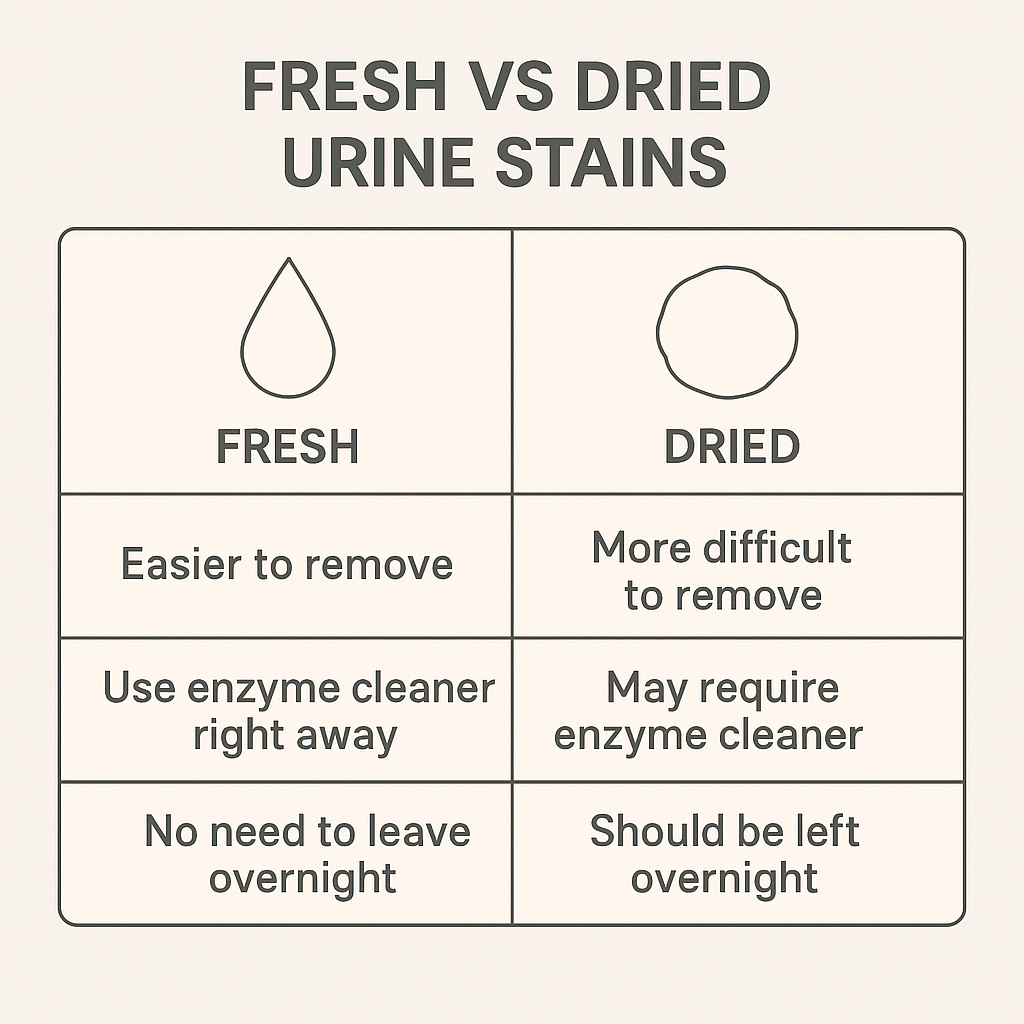
As urine dries, uric acid crystals form, causing the strong ammonia-like odor that often returns when the mattress warms up at night. Fresh urine is easier to remove because it hasn’t bonded to the fibers, but dried urine becomes concentrated and harder to treat.
Acting immediately prevents deep staining, reduces lingering odor, and keeps bacteria from spreading inside the mattress.
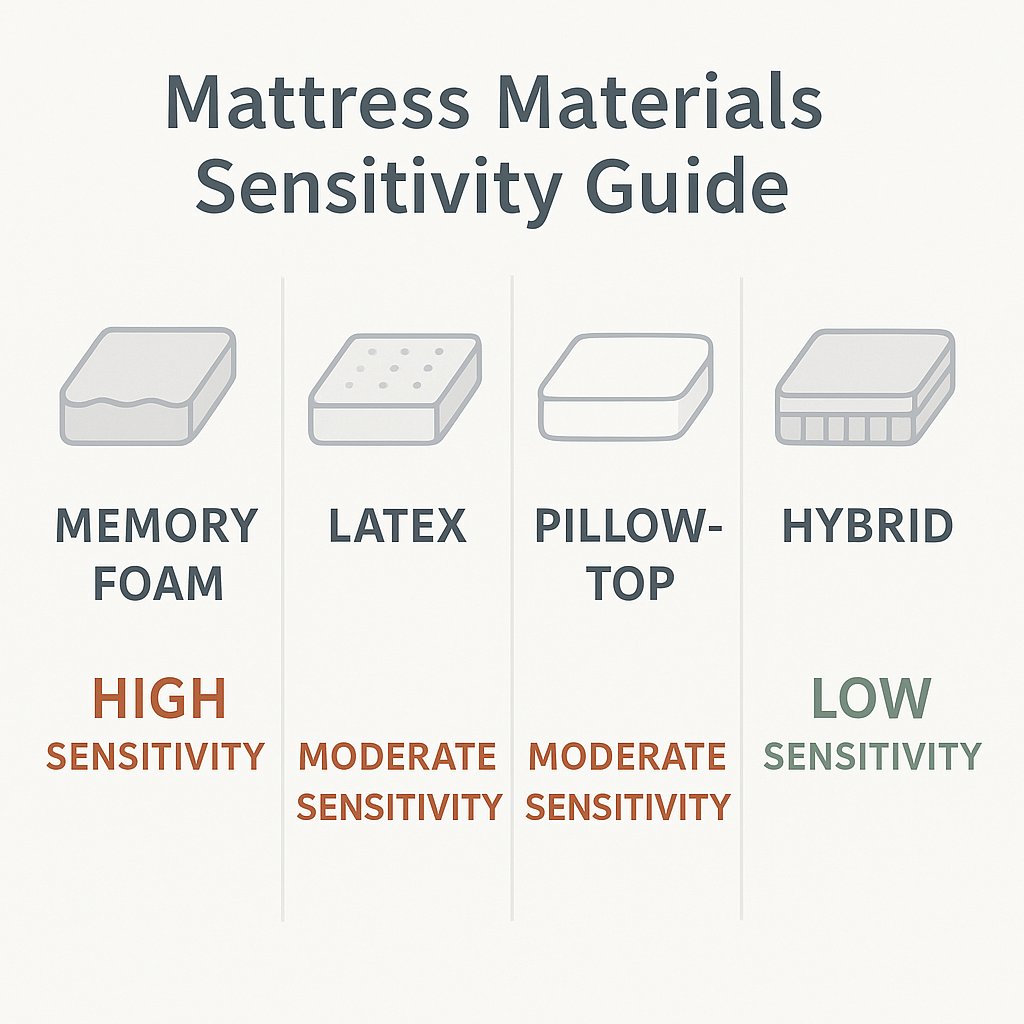
Reduce irritation after cleaning by choosing the best mattress for allergies and sensitive skin to prevent reactions and keep the surface comfortable for your child.Key reasons urine becomes difficult to remove:
- Foam materials absorb liquid and slow down evaporation
- Uric acid crystals harden as urine dries, trapping odors.
- Heat and humidity can reactivate the old urine smell.s
- Deep-set moisture allows bacteria to continue growing.
Fresh vs. dried urine matters not only for cleaning, but also for choosing the right cleaning method. Fresh accidents respond well to blotting and mild solutions, while older stains typically need enzyme cleaners or deeper treatment to fully break down the odor-causing compounds.
If nighttime leaks keep happening, upgrading to a durable Sealy crib mattress for infants and toddlers can improve cleanup outcomes and reduce moisture absorption over time.Assessing the Affected Area Before Cleaning
Before beginning any cleaning, take a moment to inspect the urine-affected area so you can choose the right approach.
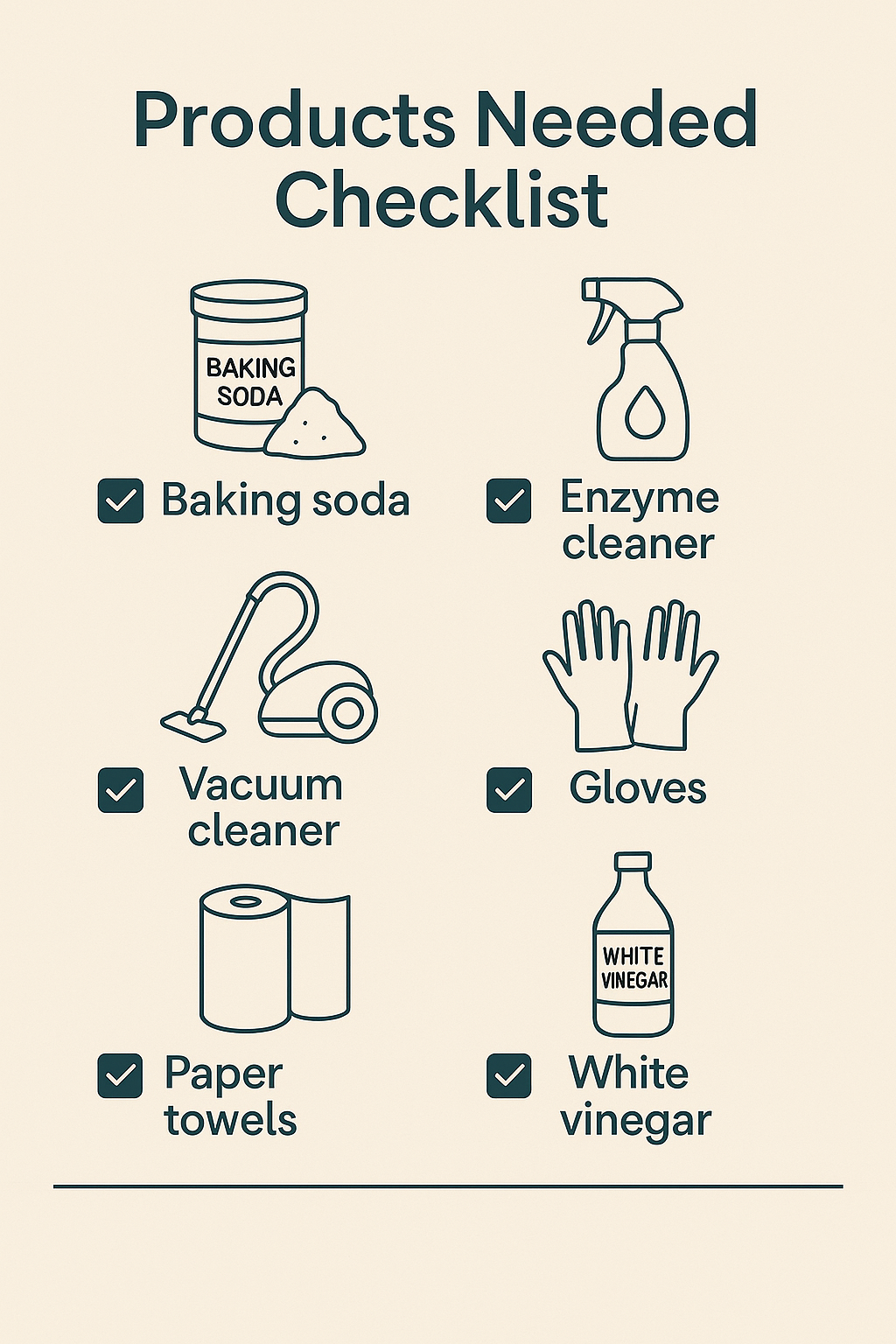
Put on gloves and look for discoloration, dampness, or odor to determine whether the stain is fresh or dried. If a cover is in place, check whether urine has soaked through—sometimes the protector prevents deeper damage.
For wet stains, press clean towels firmly into the urine spot to absorb moisture without rubbing. Continue replacing towels until the area feels damp, then remove and wash any removable cover before treating the mattress directly.
For toddlers transitioning from diapers, a highly rated Serta crib mattress designed for easy maintenance supports faster drying and prevents repeated odor buildup after accidents.Key steps when evaluating a fresh stain:
- Check whether the stain is wet, partially dried, or fully set
- Inspect the cover to see if urine soaked through
- Blot gently to remove moisture without rubbing
- Replace towels as they become saturated to keep absorbing liquid
Handling Older or Partially Dried Stains
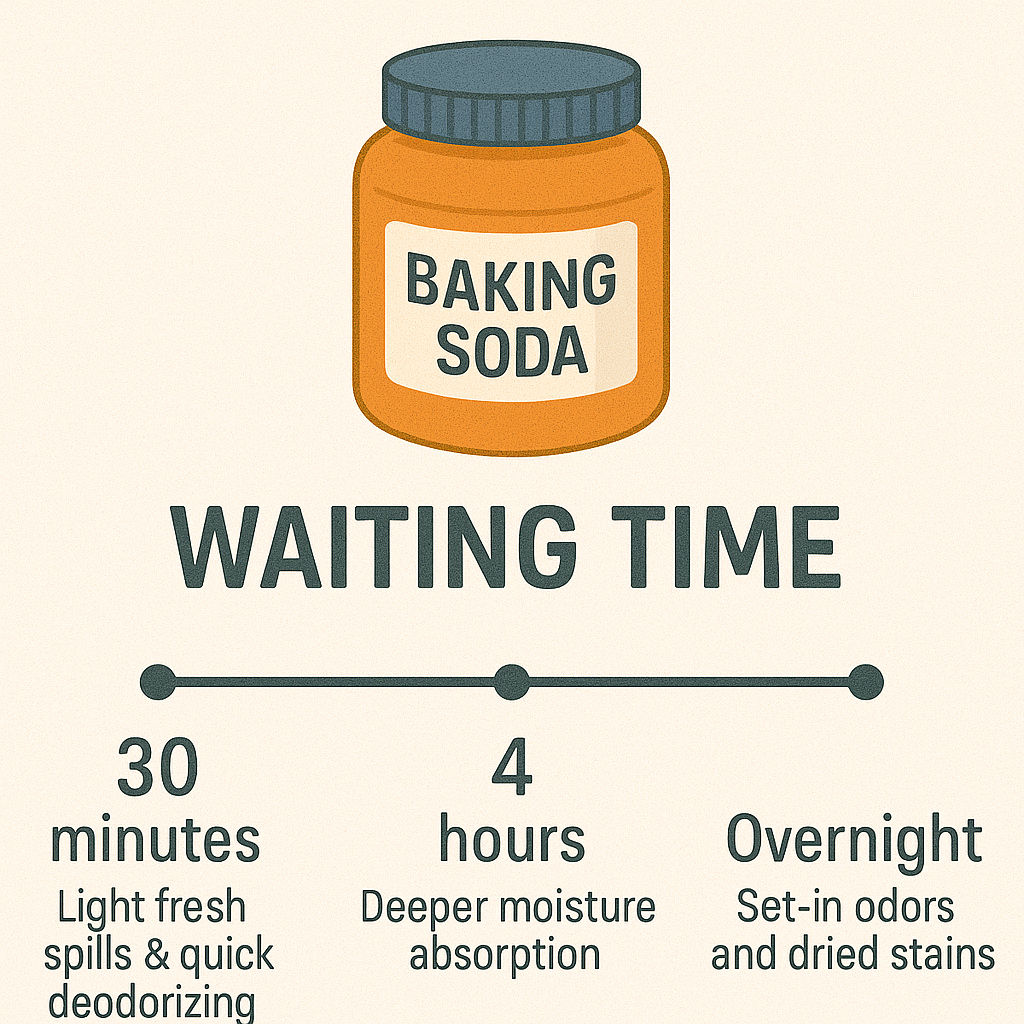
Dried urine requires a different approach because uric acid crystals settle into the fabric over time. Lightly misting the area with a mild vinegar solution helps loosen residue and prepares the surface for deeper cleaning. Once dampened, allow baking soda to sit for several hours or overnight to absorb trapped odor.
When addressing older stains:
- Mist lightly rather than soaking the mattress
- Apply baking soda and vacuum once fully dry
- Use an enzymatic stain remover for persistent odor or discoloration
- Always test any solution on a hidden area first
How to evaluate the extent and severity of the urine stain:
Blot the Affected Area Before Cleaning
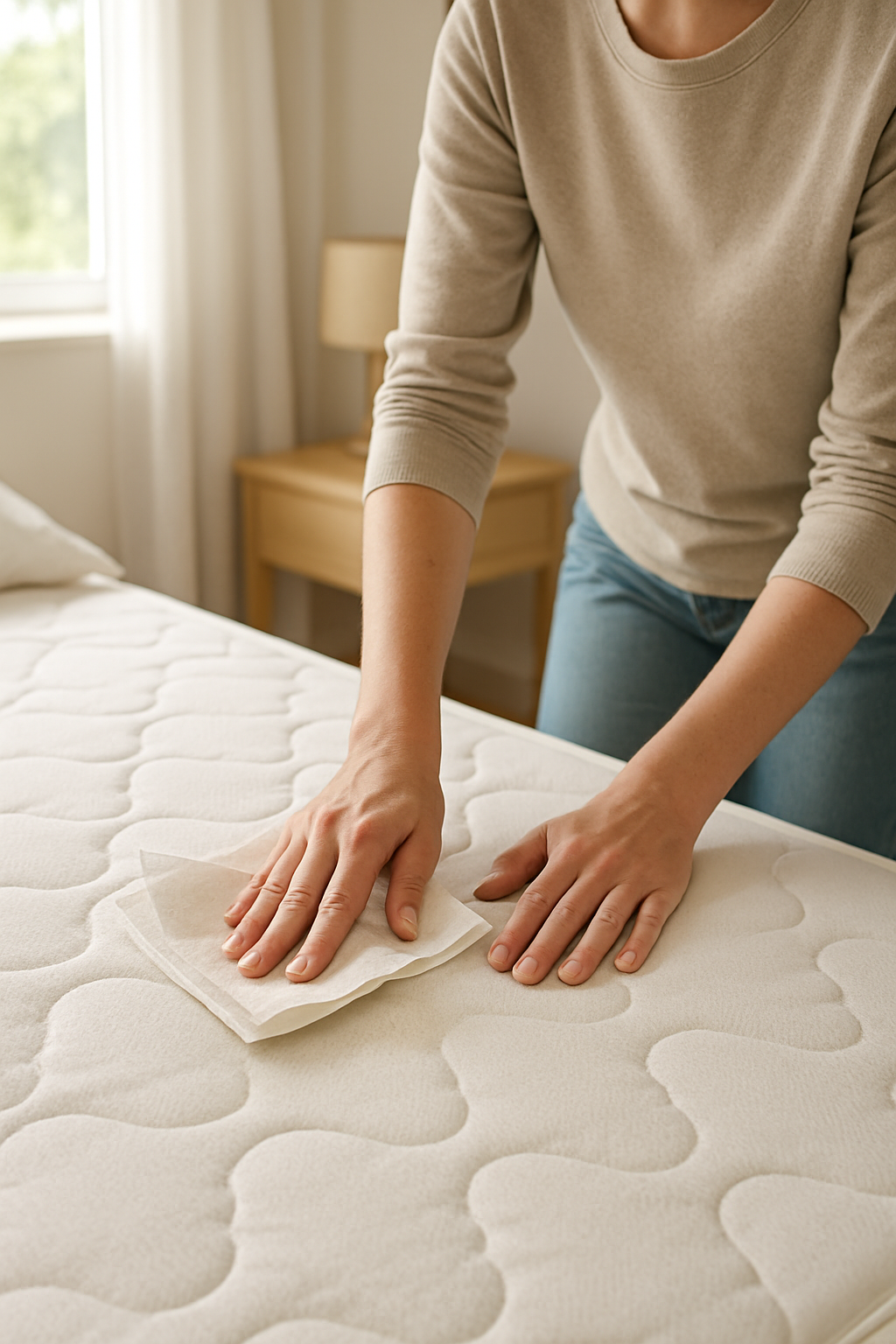
As soon as you notice the accident, remove all bedding and expose the mattress surface. Urine spreads quickly, so acting fast prevents it from soaking deeper into the foam. Instead of scrubbing, press clean, absorbent towels firmly onto the affected area to lift moisture without spreading the stain.
Replace towels as they become saturated and continue blotting until little to no liquid transfers. Focus on the entire stain, not just the visibly wet spot. The goal at this stage is simply to remove excess moisture and prepare the mattress for deeper cleaning.
Once the mattress is dry, adding protection with Sleep and Beyond mattress pads and toppers helps block future spills and keeps cleaning simple for busy parents.How to blot the affected area correctly:
- Press clean towels firmly into the mattress—do not scrub
- Replace towels as they become saturated to keep moisture from building up.
- Work from the outside of the stain toward the center to prevent spreading.
- Stop blotting once the area feels damp, not wet.
How to Clean Urine From a Mattress Step-by-Step
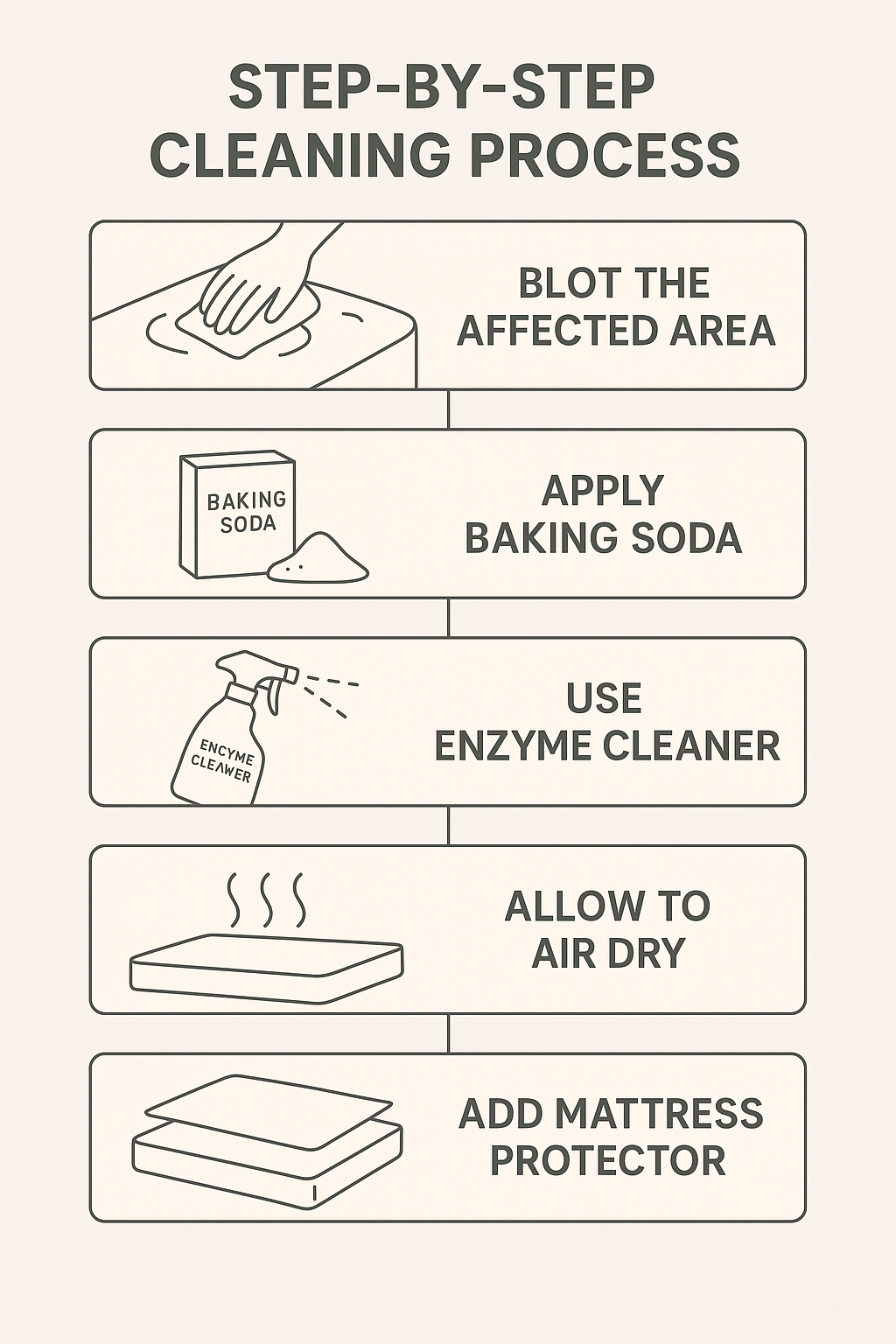
After blotting, prevent remaining moisture from soaking deeper into the foam. Cleaning works best when the mattress is slightly damp, allowing solutions to absorb evenly without spreading the stain.
This approach helps with fresh accidents and prepares older stains for deeper treatment. Increase airflow, remove as much liquid as possible, and apply baking soda to absorb moisture before using enzyme or hydrogen peroxide cleaners.
Consider using a breathable Purple mattress topper with improved airflow to maintain comfort while preventing moisture from reaching the core after treatment.Remove as Much Moisture as Possible
Even after blotting, some liquid may rise to the surface. Use fresh towels and gentle pressure—never scrubbing—to lift moisture, especially on softer mattresses. The area should feel damp, not saturated, before moving to the next step.
Tips for removing remaining moisture:
- Use fresh, dry towels as soon as one becomes damp
- Apply gentle pressure rather than pushing or scrubbing.
- Avoid using paper towels that break apart and leave residue.
- Stop once no more liquid transfers onto the cloth.
Removing excess moisture early makes every cleaning solution—from baking soda to enzyme cleaners—far more effective. It also shortens the overall drying time later in the process.
Ventilate the Room for Faster Drying
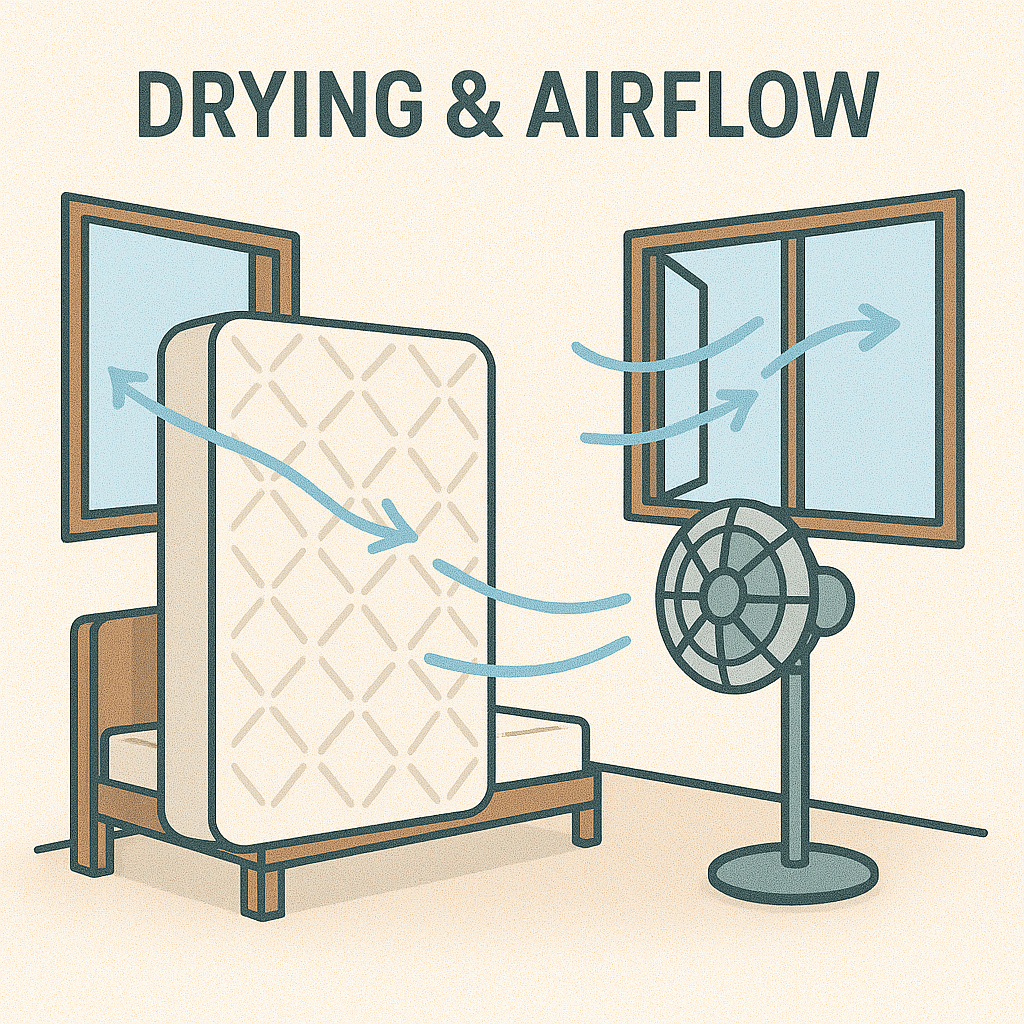
Airflow plays a crucial role in preventing lingering odor and moisture buildup. Mattresses dry from the outside in, so increasing circulation immediately helps stop urine from settling deeper. Open windows whenever possible, and use fans to keep air moving across the surface.
Avoid using heaters or hair dryers on high heat, since warmth can cause urine proteins to bind to mattress fibers, making stains more difficult to treat. Instead, focus on steady, cool airflow that supports evaporation without setting odor. If the mattress sits against a wall, pulling it slightly forward allows air to reach every side.
Best ventilation practices:
- Open windows or doors to create cross-ventilation
- Position a fan to blow directly across the damp area
- Keep the mattress flat to prevent liquid from shifting
- Avoid direct heat, which can lock in both stains and odor
Apply Baking Soda to the Area and Let It Sit
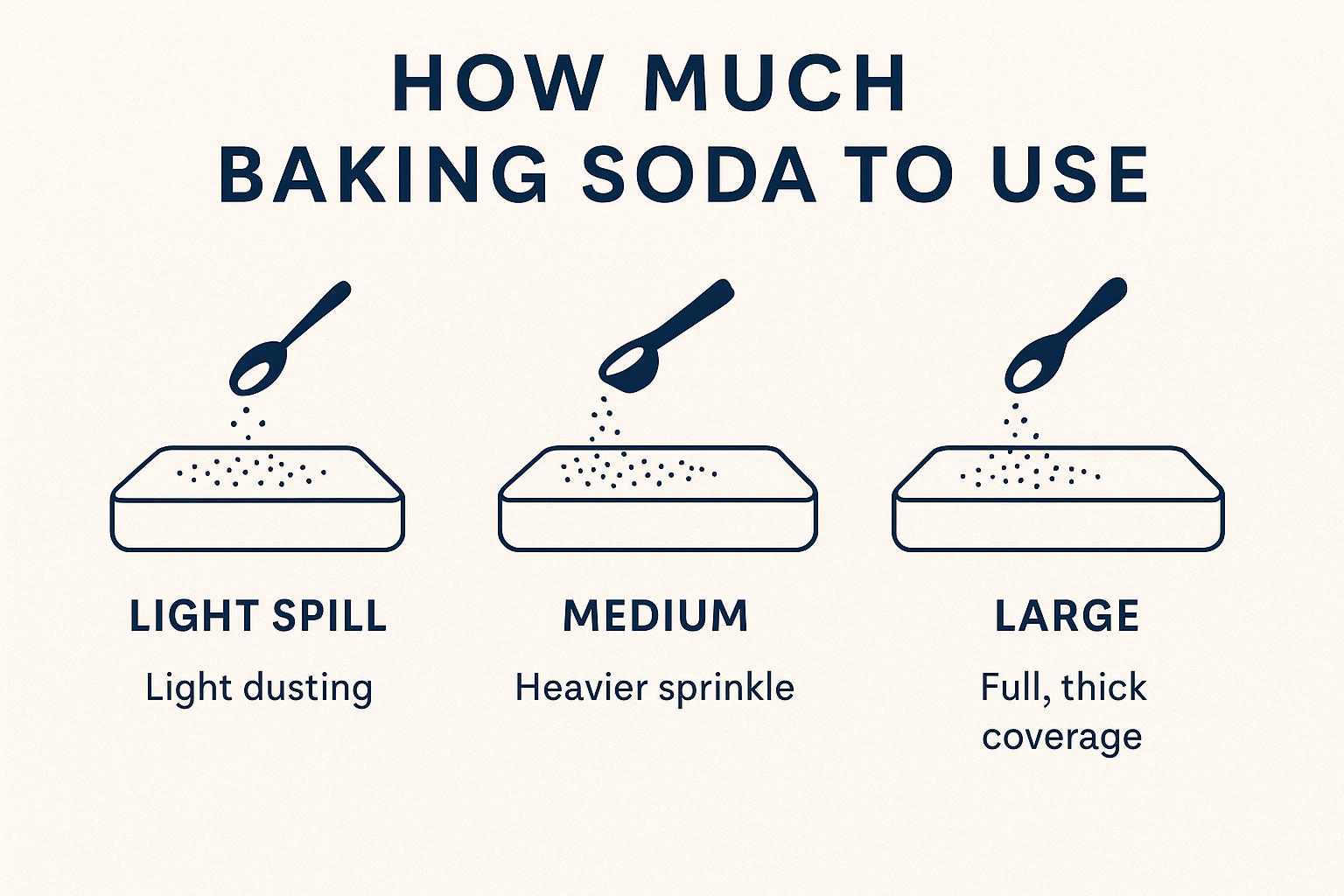
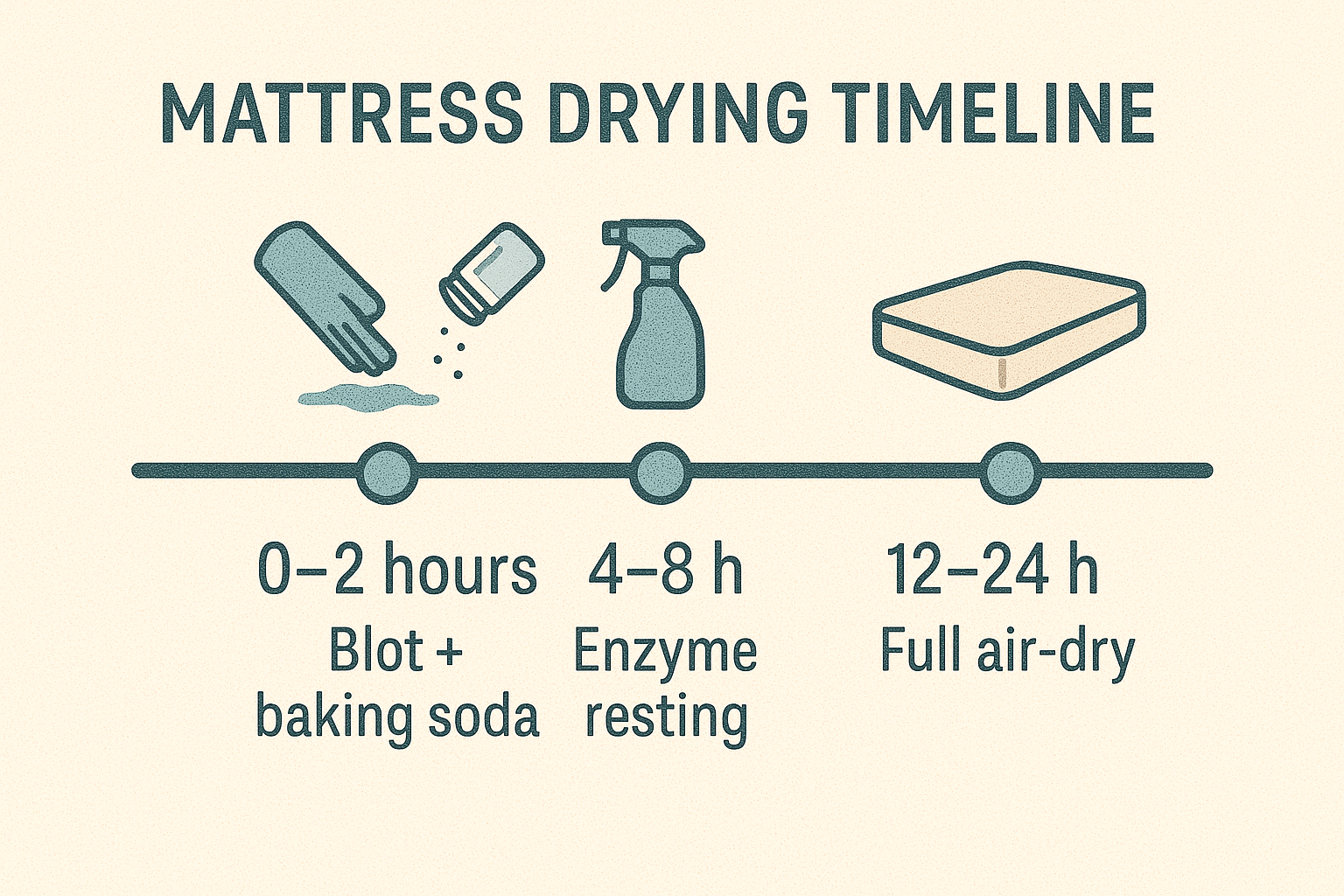
Baking soda is an effective first step for fresh urine because it absorbs moisture and helps neutralize odor. After blotting, sprinkle a thick, even layer over the damp area so the powder fully covers the stain. A light dusting won’t work—baking soda needs full contact to pull liquid from deeper layers of the mattress.
As it sits, the powder may clump or darken, which is normal and shows absorption is happening. Leave it for several hours—or overnight for larger spills—then vacuum thoroughly once dry to remove the powder and any trapped residue before continuing with cleaning.
For parents prioritizing safety and airflow, a Newton mattress designed for infants and toddlers offers easier cleanup and quicker drying after unexpected overnight leaks.How to apply baking soda correctly:
- Sprinkle enough baking soda to fully cover the damp area
- Allow several hours—or overnight—for maximum absorption
- Avoid rubbing the powder into the fabric or foam
- Vacuum thoroughly once the baking soda is completely dry
Using an Enzyme Cleaner to Get Urine Out of a Mattress
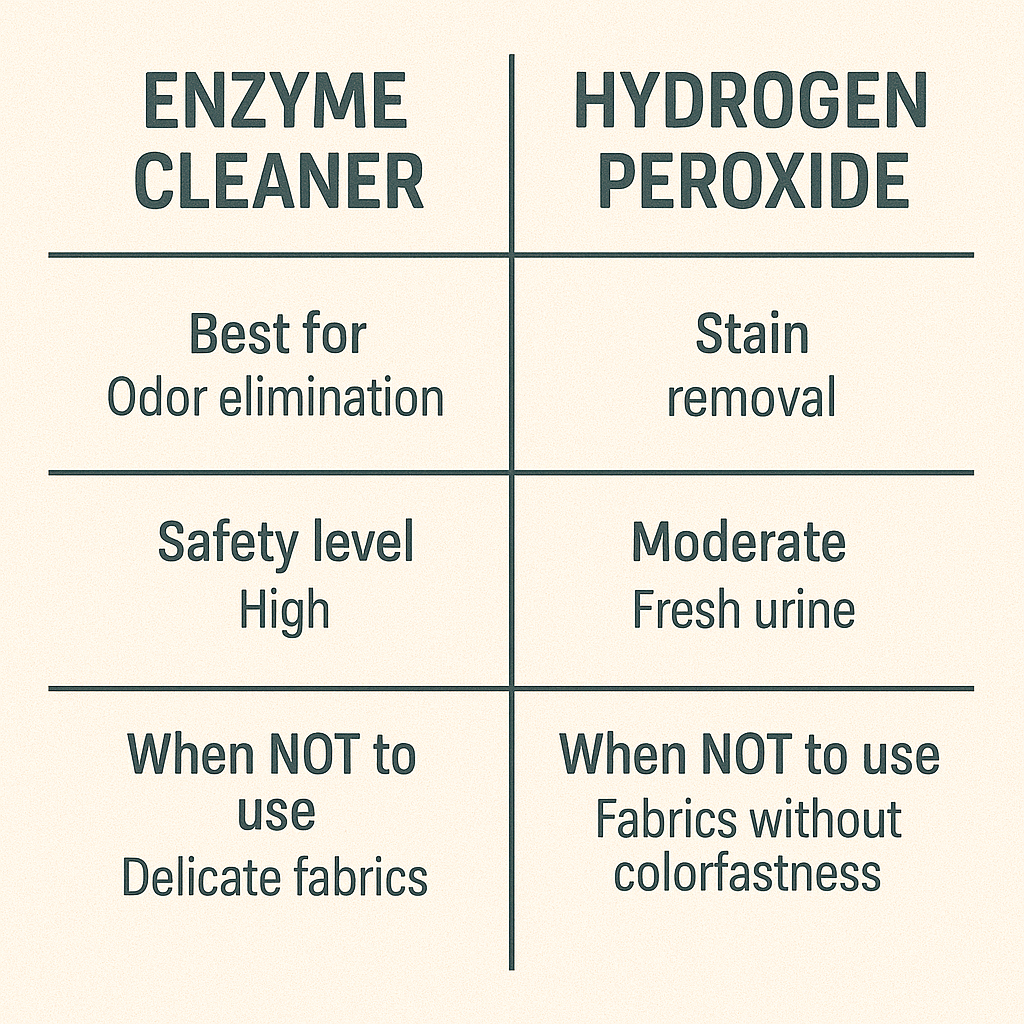
Enzyme cleaners are the most effective way to remove urine that has soaked into a mattress, especially when odor keeps returning after surface cleaning. Unlike baking soda or vinegar, enzymes break down uric acid crystals—the source of lingering smell.
Apply the cleaner generously so it reaches the same depth as the stain, and allow it to sit for the recommended time. Afterward, blot gently and let the mattress air-dry completely. For recurring odor or dried stains, a second treatment is often needed.
How to use an enzyme cleaner effectively:
- Saturate the stained area so the solution reaches the same depth as the urine
- Allow the cleaner to sit for the time listed on the product label—usually 10–15 minutes or longer
- Blot gently to remove excess liquid without scrubbing
- Let the mattress dry naturally and completely before adding sheets or protectors
Using an enzymatic stain remover is the most reliable step for eliminating lingering odor and preventing stains from reappearing, especially when dealing with older mattresses or repeated accidents.
Hydrogen Peroxide Solution for Tough or Dried Urine Stains
Hydrogen peroxide can help remove urine stains that remain after baking soda or enzyme cleaners, making it useful for dried or stubborn spots. Because peroxide may lighten fabric, always test a small hidden area first.
If safe, apply a light amount with a spray bottle or cloth—never pour directly onto the mattress. Let it sit for several minutes, then blot gently to remove moisture. If discoloration remains after drying, a second light application may help, but avoid repeated use to prevent damage.
To restore comfort after deep cleaning, a reliable Casper mattress topper that enhances sleep quality can smooth out surface texture and extend mattress life.How to use hydrogen peroxide safely:
- Perform a patch test on a hidden area of the mattress first
- Apply lightly using a cloth or spray—never saturate the foam.
- Allow the solution to sit for several minutes before blotting.
- Repeat only if necessary to avoid fabric damage or fading.
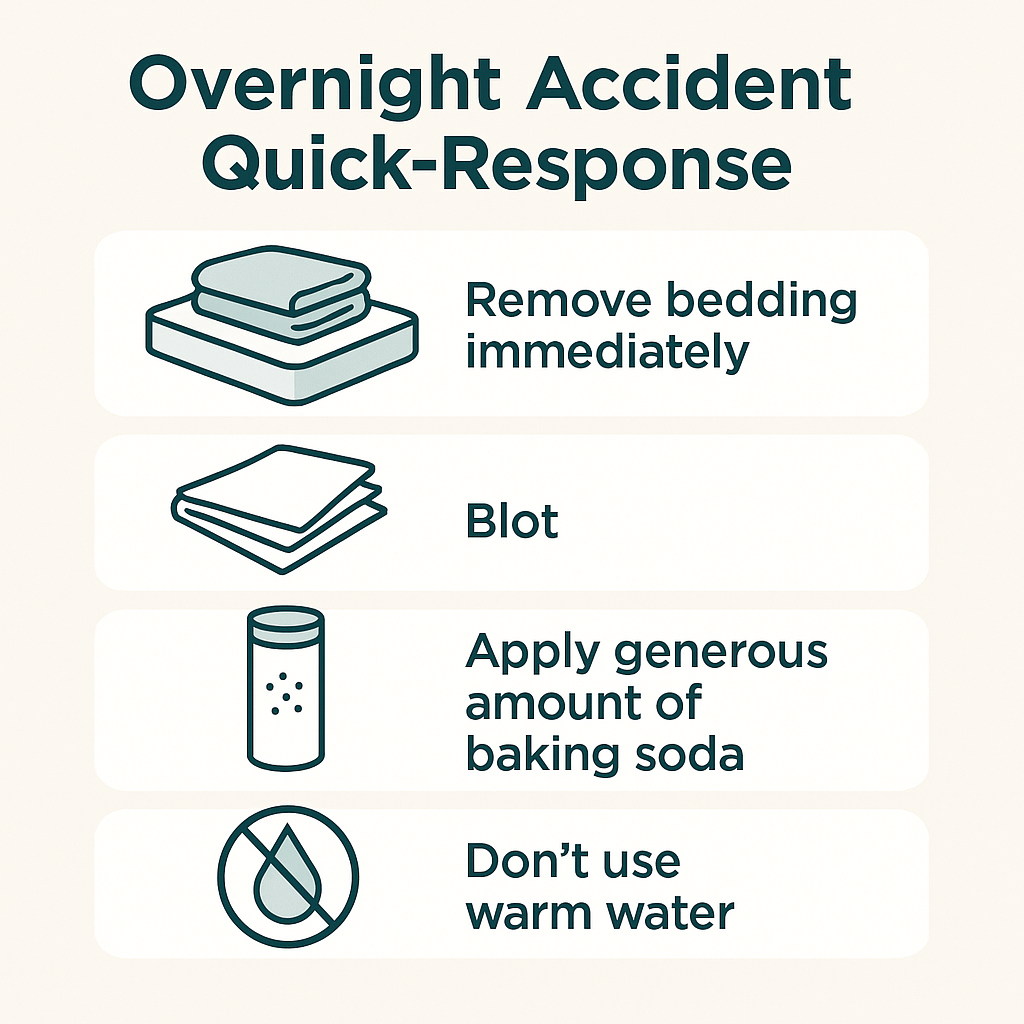
How to Remove Old or Set-In Urine Stains
Old urine stains are harder to remove because dried liquid leaves concentrated uric acid crystals deep inside the mattress, causing odor to return when the bed warms up at night.
Instead of scrubbing, apply an enzymatic stain remover generously and keep the area damp long enough for it to work. Covering the spot with plastic wrap slows evaporation and improves effectiveness. After treatment, blot gently and allow the mattress to dry fully on its own.
Steps for Treating Old or Set-In Urine Stains
- Apply enzyme cleaner generously and leave overnight
- Cover the damp area with plastic wrap to slow drying
- Blot the next day and let the mattress air dry completely
- Repeat if odor returns when the mattress warms up
How to Get Rid of Pee Smell After Cleaning
Even after removing urine from a mattress, urine smell can return because uric acid crystals remain inside the foam and reactivate with heat or humidity.
This is why a mattress may seem fine during the day but release stronger odors when someone lies down at night. To eliminate odor—not mask it—the affected area must be fully dry before repeating treatment. If you’ve already used an enzyme cleaner, allow the mattress to dryout in open air fully rather than covering the wet area with bedding.
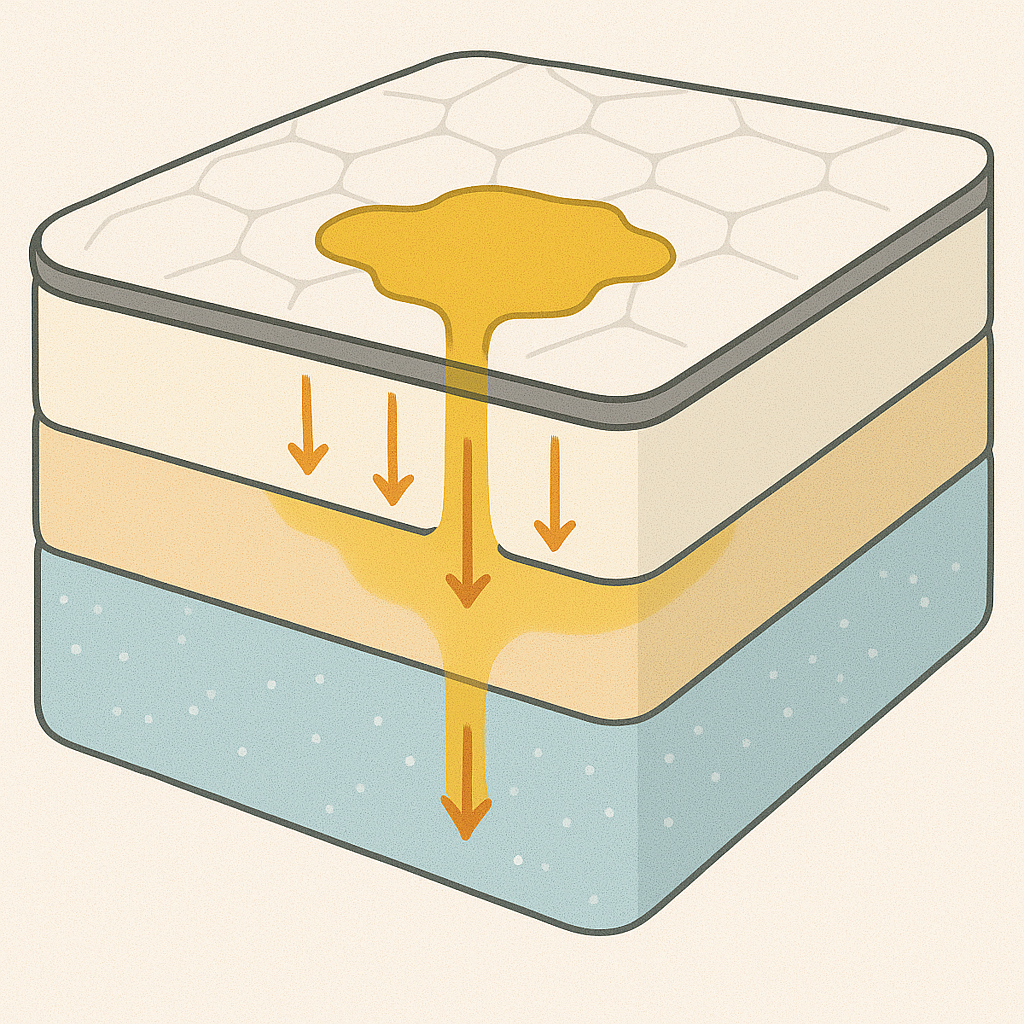
Once dry, sprinkle a generous amount of baking soda over the soiled area and let it sit overnight to absorb moisture and reduce lingering smells.
The powder may clump as it draws out residue. Use a vacuum cleaner or dry vacuum the next day to remove baking soda residue without adding hot water or scrubbing. If odor returns when the mattress warms up, you may need to repeat the process—this is common with old urine stains.
If the surface feels uneven post-treatment, check out these soft and plush mattress topper picks for added cushioning and improved pressure relief.Effective ways to eliminate lingering urine smell
- Allow the mattress to dry fully before applying more solution
- Reapply an enzyme cleaner if odor returns with heat.
- Add a fresh area with baking soda and vacuum after drying.
- Avoid scented sprays, which mask rather than remove urine.
Common Mistakes to Avoid When Cleaning a Mattress
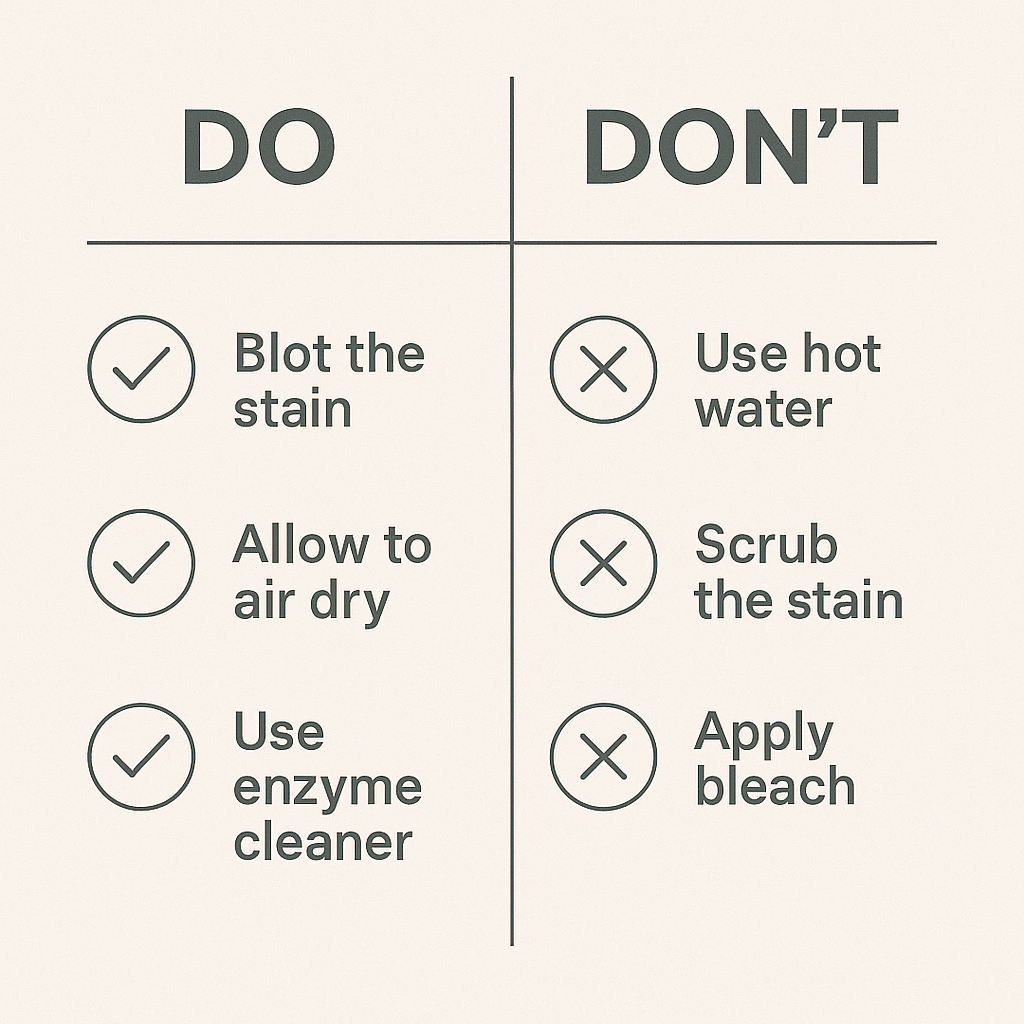
When removing urine from a mattress, certain well-intentioned actions can trap odor, damage the fabric, or make removing urine much harder.
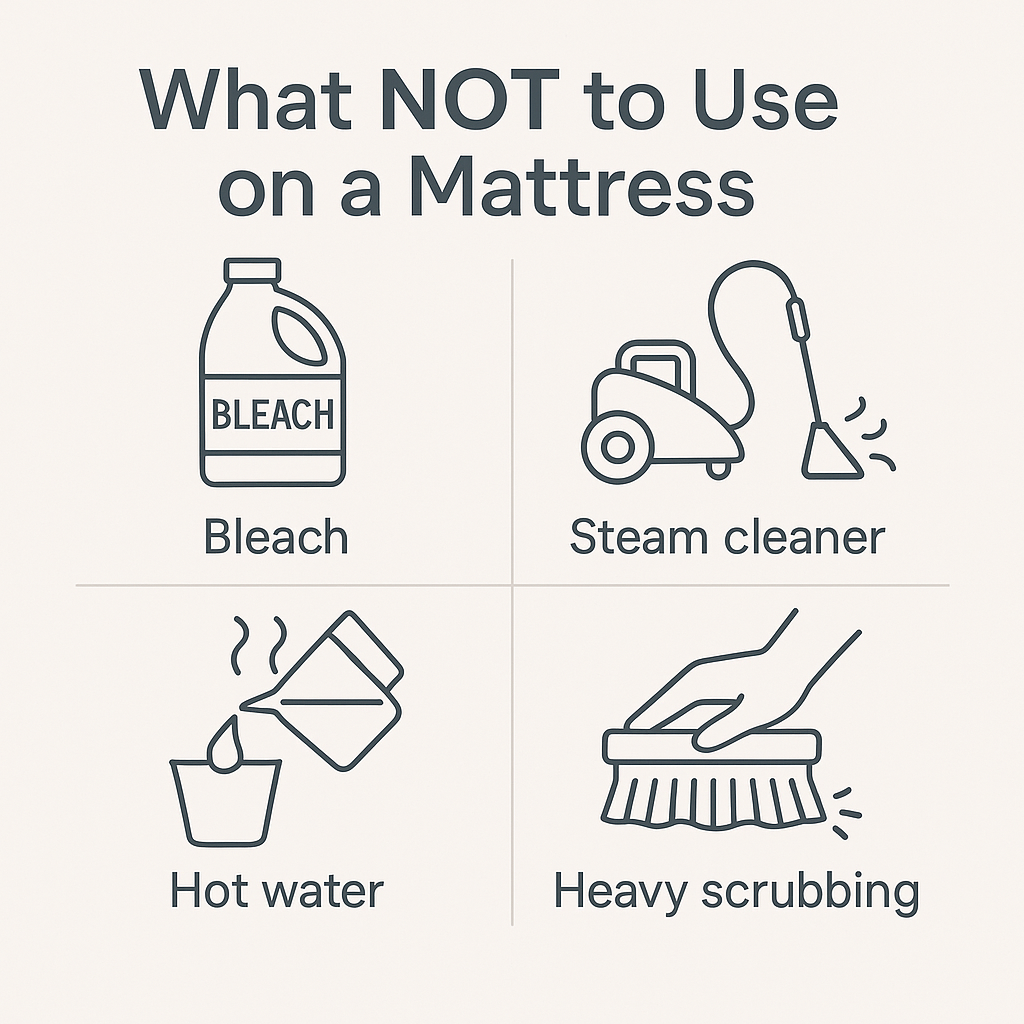
One of the biggest mistakes is using hot water, which causes urine proteins to bind to fibers and increases urine odor—especially in animal or pet urine. Another issue is using too much liquid.
Mattresses absorb as much moisture as possible, and excess fluid pushes urine deeper instead of lifting it out.
Aggressive scrubbing is another common error. Rubbing spreads the stain and may damage the fabric, especially on memory foam. Instead, use paper towels or a clean cloth to blot as much liquid as possible before applying enough solution. Avoid using laundry detergent or dish soap alone—they can leave residue and fail to neutralize odor.
For adults recovering from discomfort after sleeping on a damp surface, explore backache mattress topper options offering instant comfort without replacing the entire bed.Mistakes to avoid during mattress cleaning
- Using hot water, which sets the urine and increases the stronger odors
- Applying excessive liquid instead of step 1 spot-treating
- Scrubbing the affected area, which spreads the stain
- Using bleach or laundry detergent that can damage the fabric.
Protect Your Mattress With a Waterproof Mattress Protector
Once the mattress is totally dry, preventing future accidents becomes the most important step.
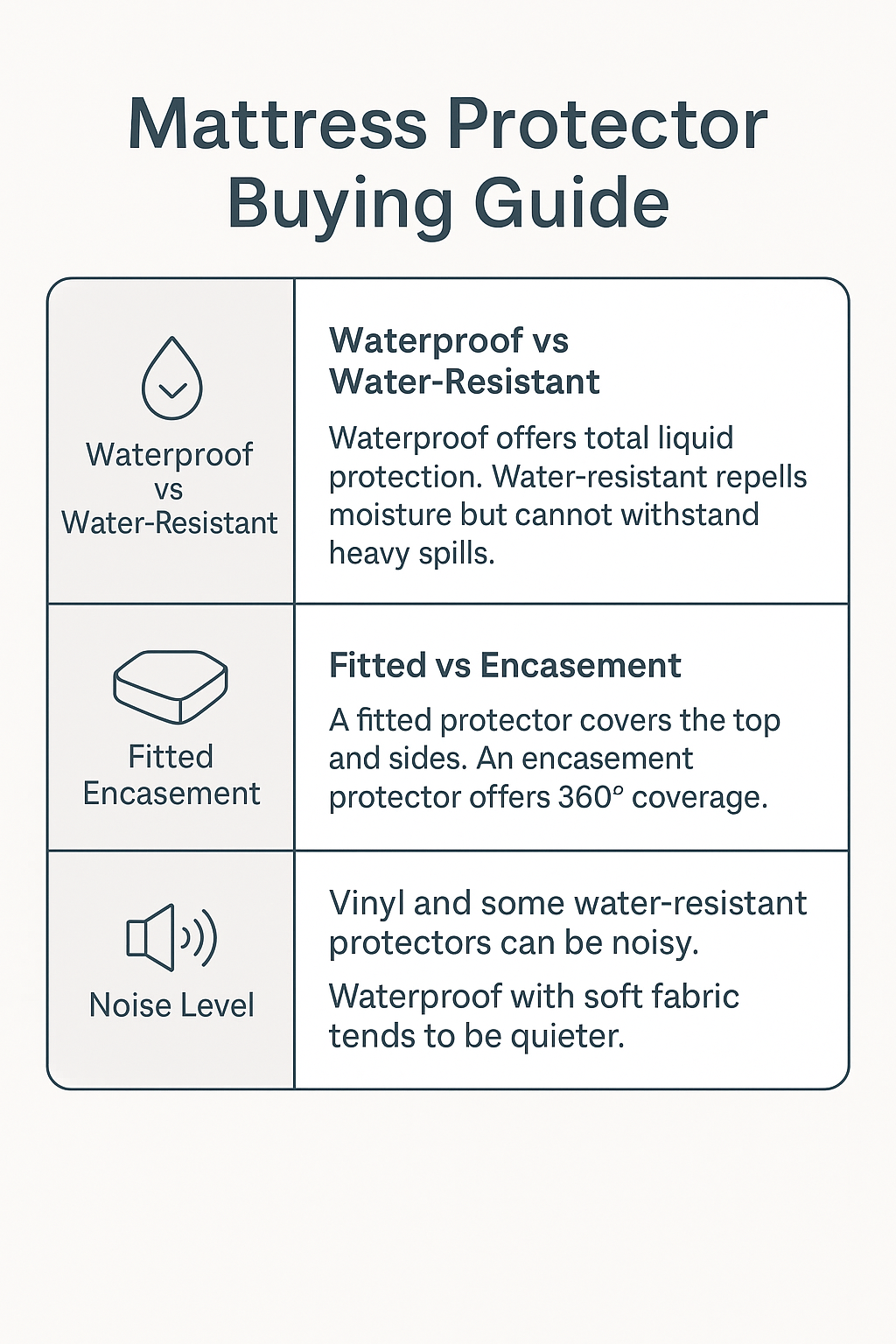
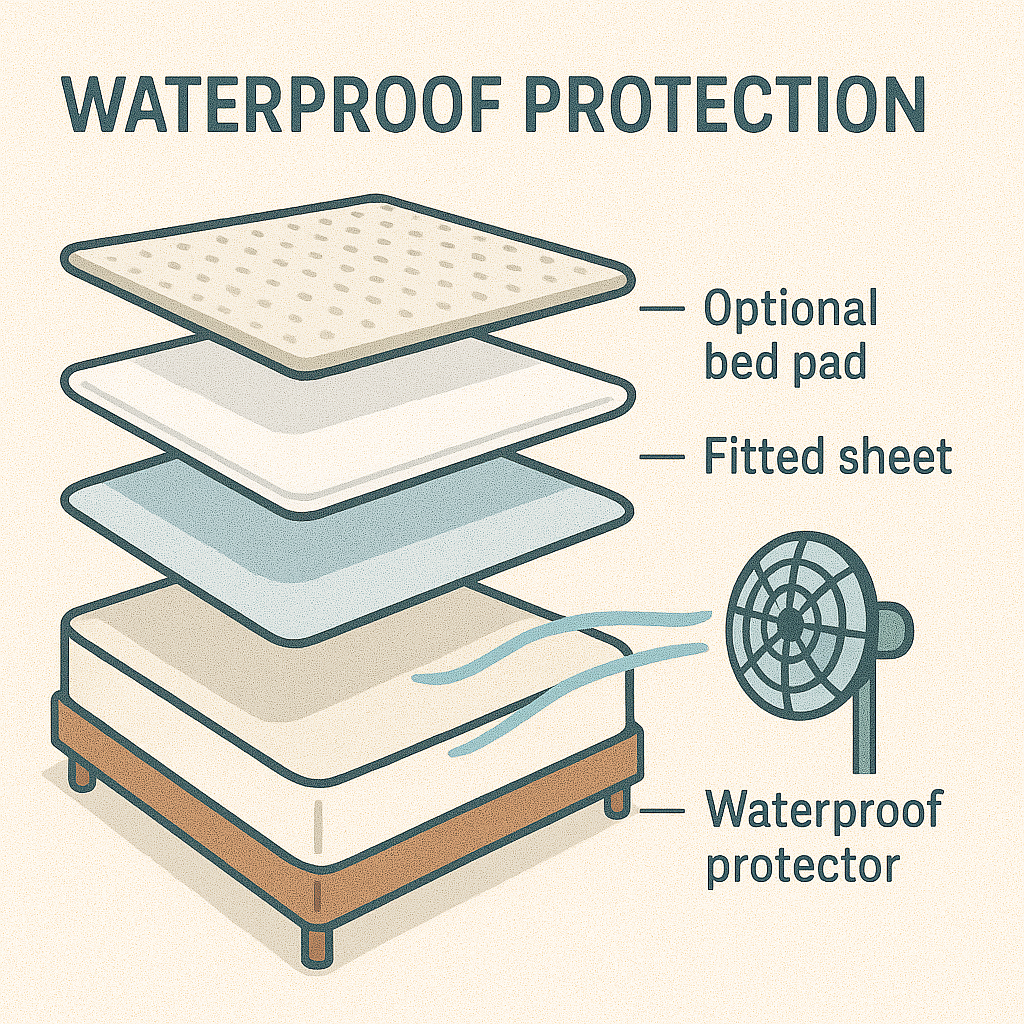
A waterproof mattress protector creates a barrier that prevents urine, spills, and sweat from soaking into the mattress foam.
Unlike standard pads, waterproof protectors are specifically designed to block liquid while still allowing airflow, helping the surface stay comfortable and odor-free.
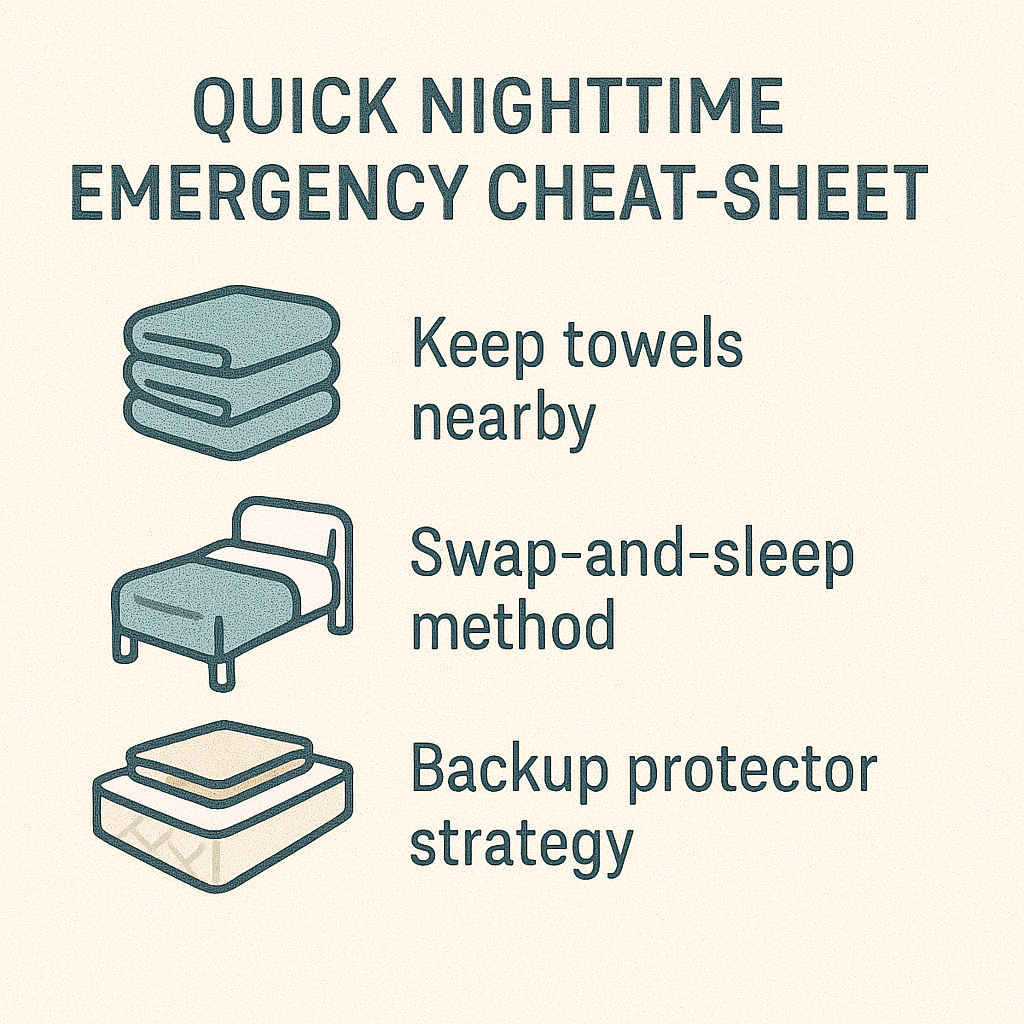
Keeping a spare protector or washable bed pad nearby allows for fast swaps if a little one has an accident.
Most protectors can be washed with laundry detergent in warm water and dried on low heat, preventing buildup and keeping the mattress fresh. Regular washing also removes persistent smells, bacteria, and allergens that can accumulate over time.
Benefits of using a waterproof mattress protector
- Prevents urine from a mattress and reduces long-term odor
- Makes cleanup easier—remove, wash, and reinstall the protector
- Shields against spills and stains, sweat, and future accidents
- Extends mattress life by limiting moisture exposure
Using a mattress protector is one of the simplest ways to avoid frequent deep cleaning and preserve your mattress's condition. In the next section, we’ll cover how a temporary mattress cover can help during the drying process.
Using a Mattress Cover While the Mattress Dries
After cleaning, the mattress should remain uncovered until it is completely dry, but a temporary cover can help if the bed needs to be used sooner.
A lightweight, breathable cover protects the treated area from sweat or future accidents while still allowing airflow.
Avoid plastic or non-breathable materials—they trap humidity and slow drying, increasing the risk of lingering odors and mildew.
Choose a thin, washable cover that can be cleaned with laundry detergent and one part warm water after use. If the mattress still feels cool or damp to the touch, continue drying before re-covering. Once the mattress is completely dry, switch to a waterproof protector to prevent urine, spills, and stains, and to reduce the need for repeated deep cleaning.
Parents who prefer natural materials may benefit from a wool mattress topper that resists odor and moisture, helping maintain freshness long after cleaning.Tips for using a mattress cover during drying
- Select a breathable cover instead of plastic to avoid trapped moisture
- Keep bedding off until the mattress has fully air-dried.
- Wash the cover using a clean cloth and mild laundry detergent.
- Replace it with a waterproof protector once the mattress is dry.
How to Maintain a Clean Mattress Over Time
Regular care helps prevent persistent smells from returning and keeps bacteria, sweat, and allergens from building up inside the mattress. Even without future accidents, mattresses naturally absorb as much moisture over time, so routine maintenance is essential for long-term freshness.
Vacuuming the surface every few months with an upholstery attachment removes dust, dead skin, and baking soda residue from previous cleanings.
Pay close attention to seams and edges where dust mites collect, especially if a little one or pets share the bed. On dry days, remove bedding and let the mattress dry naturally with windows open to release trapped humidity.
Rotating the mattress seasonally also prevents uneven wear and helps maintain proper support. Washing mattress protectors regularly with mild laundry detergent and one part warm water keeps the surface clean and reduces odor buildup. If the affected area has experienced pet or animal urine, like cat pee or even older urine stains, occasional spot checks ensure no stronger odors return unexpectedly.
Simple habits for long-term mattress care
- Vacuum every 2–3 months using a vacuum cleaner or dry vacuum
- Let the mattress air dry by removing bedding on low-humidity days.
- Rotate the mattress to prevent sagging and extend its lifespan.
- Wash protectors regularly to prevent lingering odors and bacteria.
When to Consider Replacing Your Mattress
Most urine stains can be removed, but some mattresses reach a point where cleaning is no longer effective. If odor returns after multiple enzyme treatments and full drying, the urine may have soaked too deeply to remove. Age also matters—most mattresses last seven to ten years, and older materials trap moisture more easily.
Signs it may be time to replace your mattress:
- Lingering odor that returns even after multiple enzyme treatments
- Visible mold, mildew, or dampness inside the mattress layers
- Sagging, lumps, or reduced support affecting sleep comfort
- The mattress is over 8–10 years old or has been repeatedly exposed to urine.
✅ Conclusion
With the right steps, most urine smell can be removed without replacing your mattress. Acting quickly, blotting, and treating the area with baking soda, white vinegar, or enzyme cleaners makes the biggest difference.
For older pet urine or dog pee, patience and repeat treatments are normal. Once fully dry, vacuum any baking soda residue and add a waterproof protector to prevent future spills and stains.
Keeping a few drops of essential oils for deodorizing is optional, but only after drying. In most cases, a clean, mattress fresh result is completely achievable.
✅ FAQs
What pulls urine out of a mattress the fastest?
Blotting with clean towels is your first best friend for removing moisture before it sinks deeper. Follow with a generous amount of baking soda to absorb remaining liquid. Once dry, use a vacuum cleaner to lift the powder without spreading the stain or adding warm water.
Can I clean pee from a mattress if it has already dried overnight?
Yes. Dried human urine or dog pee needs an enzyme cleaner, not dish soap alone. Apply generously and keep the area damp for several hours. Avoid scrubbing. If odor remains, repeat treatment and refresh the area with baking soda before vacuuming to restore the mattress fresh.
Why does my mattress smell like urine again after it’s been cleaned?
Uric acid crystals reactivate with heat or humidity, releasing urine smell at night. If moisture remains trapped, bacteria stay active. Allow full drying and repeat enzyme treatment. Avoid sealing the bed immediately—covering the bed immediately can trap odor and prevent full evaporation.
How long should enzymes sit on a mattress to work properly?
Most enzyme cleaners need eight to ten hours to break down pet urine and human urine crystals. The area must stay damp—not soaked. Covering with plastic slows evaporation. Afterward, blot gently and vacuum once dry. Avoid adding a few drops of essential oils before drying is complete.
Is my mattress permanently damaged if pee soaked into the foam layers?
Not always. Deep stains may need multiple enzyme treatments and drying cycles. If strong smell, mildew, or sagging continues after several attempts, replacement may be safer. A protector prevents future spills and stains, and helps avoid recurring dog pee or nighttime accidents reaching the inner layers.