(Last Update: 11/08/2025)
This content is created with integrity and impartiality; we do not receive direct compensation for this review. See our Mission and Core Values here.
This content is created with integrity and impartiality; we do not receive direct compensation for writing our reviews.
Millions of people struggle with the discomfort and inconvenience of CPAP machines to manage their sleep apnea.
However, a groundbreaking alternative is changing lives: Vivos Therapeutics.
This innovative treatment addresses the root causes of sleep apnea, offering a less intrusive and potentially permanent solution.
This blog post will explore how Vivos differs from traditional CPAP therapy. We'll provide insights from scientific research, patient testimonials, and practical advice for those considering a new path to better sleep and health.
Understanding Vivos Therapeutics
What is Vivos Therapeutics?
The company was established by Gurdev Dave Singh, Susan McCullough, RaeAnn Byrnes, Todd Huntsman, and R. Kirk Huntsman on July 7, 2016, with its headquarters in Littleton, CO.
Vivos specializes in treating severe sleep apnea patients. Unlike traditional CPAP machines, it offers innovative treatment options using durable medical equipment
Vivos Therapeutics offers a non-surgical, oral appliance–based system designed to address the root cause of obstructive sleep apnea (OSA).
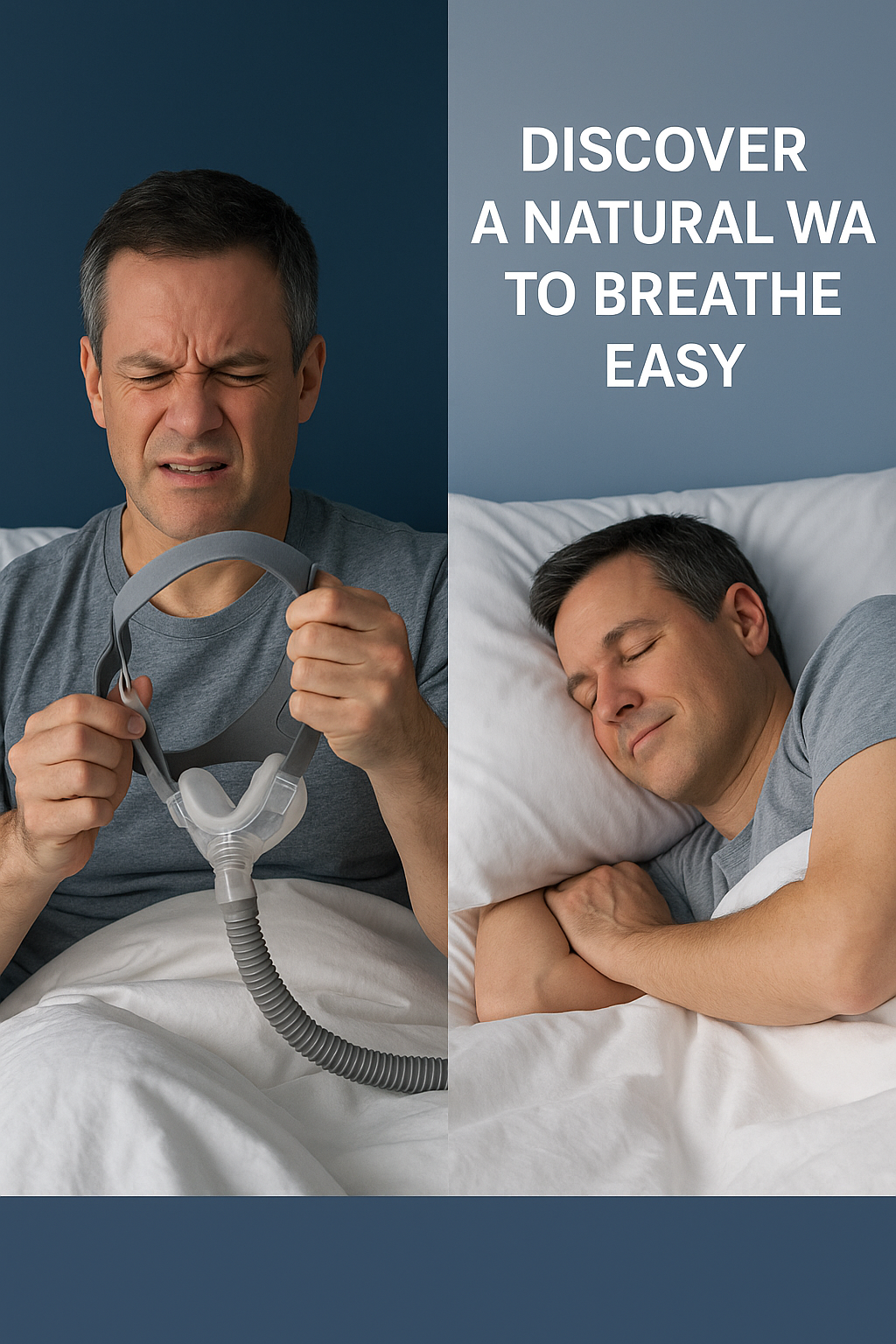
Instead of forcing airflow like CPAP, Vivos gently guides craniofacial growth to create more room in the airway. Many patients choose it as a comfortable alternative when CPAP feels restrictive, noisy, or difficult to maintain.
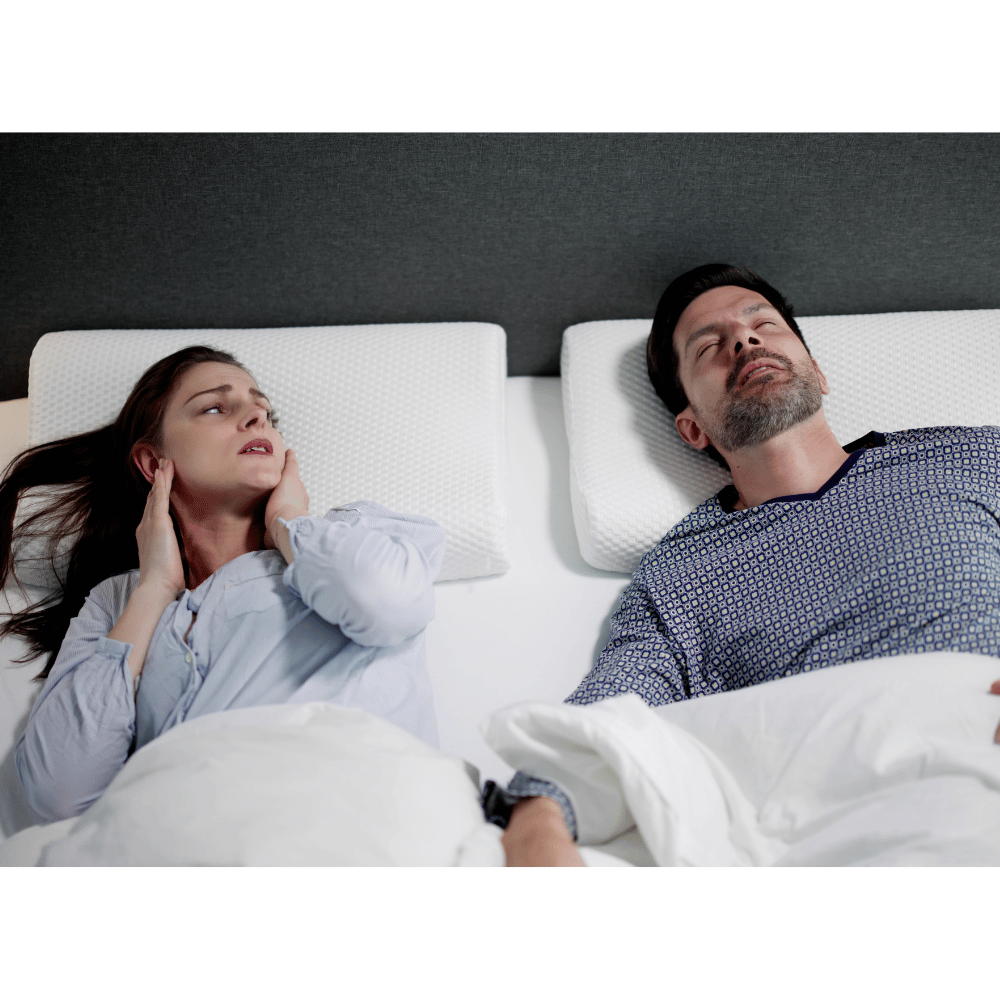
Overview of Sleep Apnea and Severe Obstructive Sleep Apnea (OSA)
Sleep apnea is a severe sleep disorder characterized by repeated sleep-disordered breathing. These interruptions, known as apneas, occur when the throat muscles cannot open the airway despite breathing efforts. Obstructive sleep apnea, the most common form, can lead to chronic fatigue, cardiovascular issues, and impaired cognitive function, significantly affecting quality of life.
Sleep apnea also occurs when the airway repeatedly collapses during sleep, leading to snoring, oxygen drops, and fragmented rest. Severe OSA increases the risk of hypertension, fatigue, and metabolic issues. Vivos is used mainly for mild to moderate cases, though some severe cases may respond depending on airway structure.
The Challenges with CPAP
Continuous Positive Airway Pressure (CPAP) has been the conventional sleep apnea therapy for many years. This method involves wearing a mask attached to a machine.
How Does Vivos Differ from CPAP?
Vivos distinguishes itself from CPAP by offering a treatment that doesn’t just manage symptoms nightly but aims to correct the anatomical abnormalities contributing to sleep apnea.
Using oral appliances in Vivos therapy means no need for nightly mask wear, no noise, and no ongoing dependence on a machine. Instead, severe OSA patients undergo a finite treatment period, often between 12 to 24 months, after which significant improvements or even resolution of sleep apnea symptoms may be achieved.
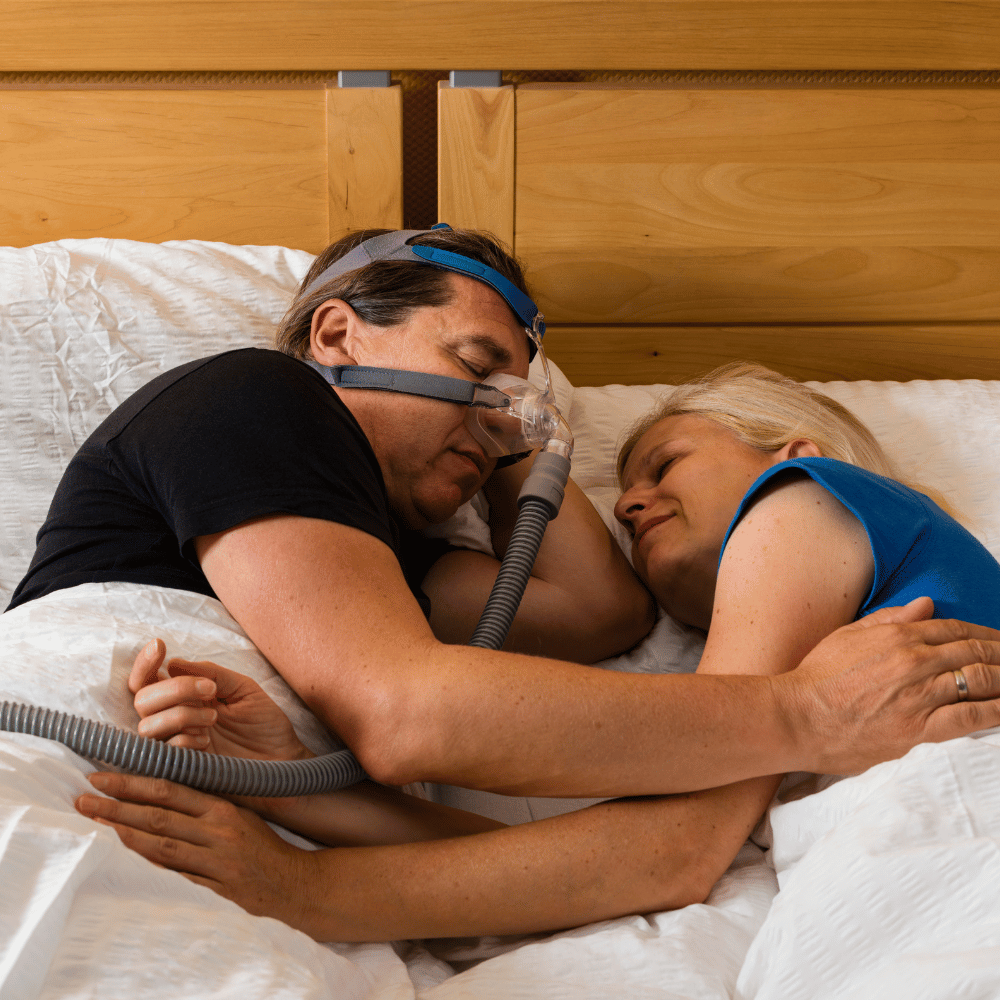
The Science Behind Vivos Treatment
The DNA and mRNA appliances stimulate slow dentofacial remodeling. This non-invasive approach aims for long-term improvement instead of nightly symptom control.
The Biological Basis
Vivos Therapeutics operates on a profound understanding of the biological factors contributing to obstructive sleep apnea (OSA). The treatment focuses on the premise that certain dental and skeletal malformations can narrow the airway. Key points include:
- The Vivos system uses oral appliances to apply gentle, gradual pressure on teeth and jaws—potential long-term resolution of moderate and severe OSA without continuous intervention.
Research and Treatment Options and Appliances:
A growing body of research and clinical evidence supports the efficacy of Vivos Therapeutics. Highlights of this research include:
- Studies showing significant improvements in airway dimensions post-treatment.
- Clinical trials documenting reduced Apnea-Hypopnea Index (AHI) scores, which measure the severity of sleep apnea.
- Patient reports reduced reliance on CPAP machines and, in some cases, complete cessation of use.
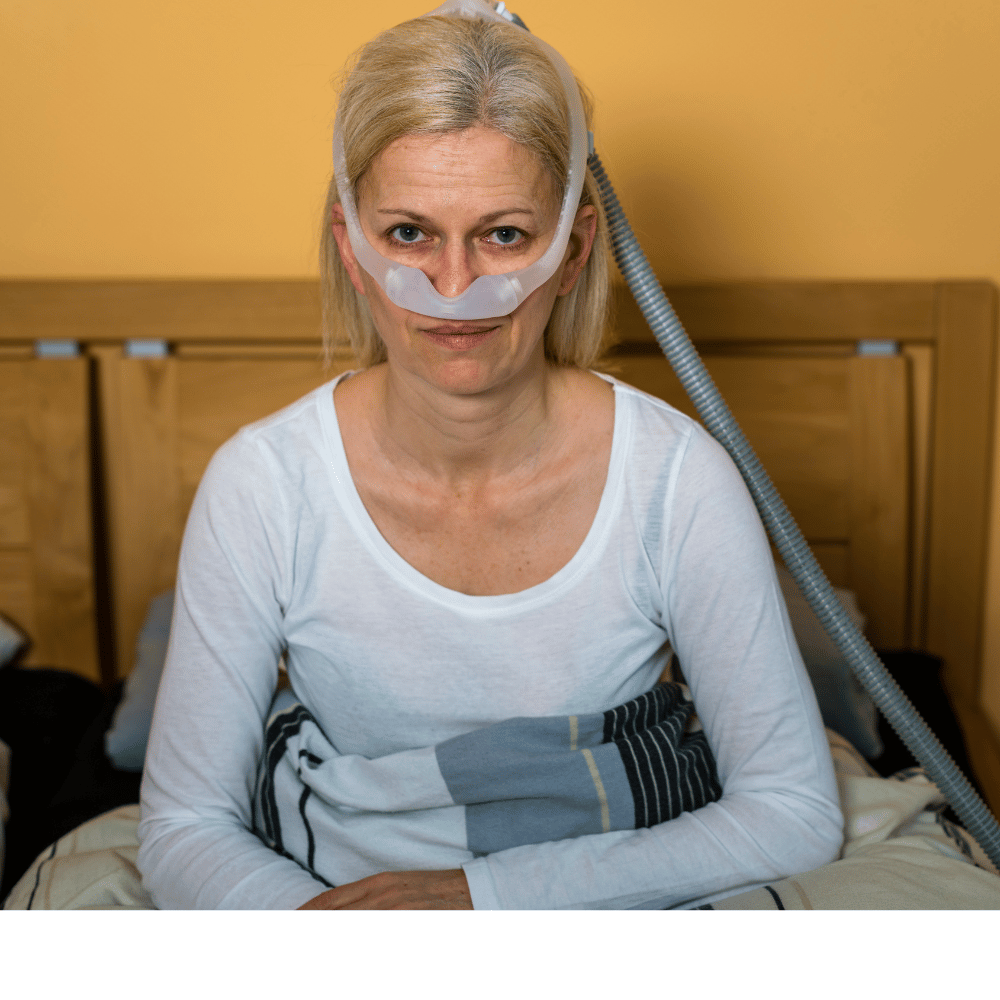
Patient Experiences with Vivos
Many users report easier breathing, reduced snoring, and improved sleep quality. Patients who struggled with CPAP often find the Vivos appliance more wearable and less disruptive.
Implementing VIVOS Sleep Apnea Treatment Plan into Your Life
Getting Started with Vivos
Embarking on the Vivos treatment journey begins with a comprehensive evaluation by a certified Vivos practitioner.
This initial assessment involves a detailed examination of your dental and airway structure. Advanced imaging techniques are often utilized to pinpoint the issues contributing to obstructive sleep apnea.
What to Expect During Treatment
The Vivos treatment experience is characterized by a phased approach that gradually improves airway patency. Initially, patients may undergo a period of adjustment to the oral appliance, with guidance and adjustments provided by their Vivos practitioner to ensure comfort and effectiveness.
As treatment progresses, many patients report decreased snoring intensity and frequency, improved sleep quality, and reduced sleep apnea symptoms.
VVivos Therapeutics' average treatment time for obstructive sleep apnea (OSA) is approximately 9.7 months, effectively addressing mild and moderate patients. Vivos Notably, patients with severe OSA have shown even better outcomes than those with milder forms. Sleep Review.
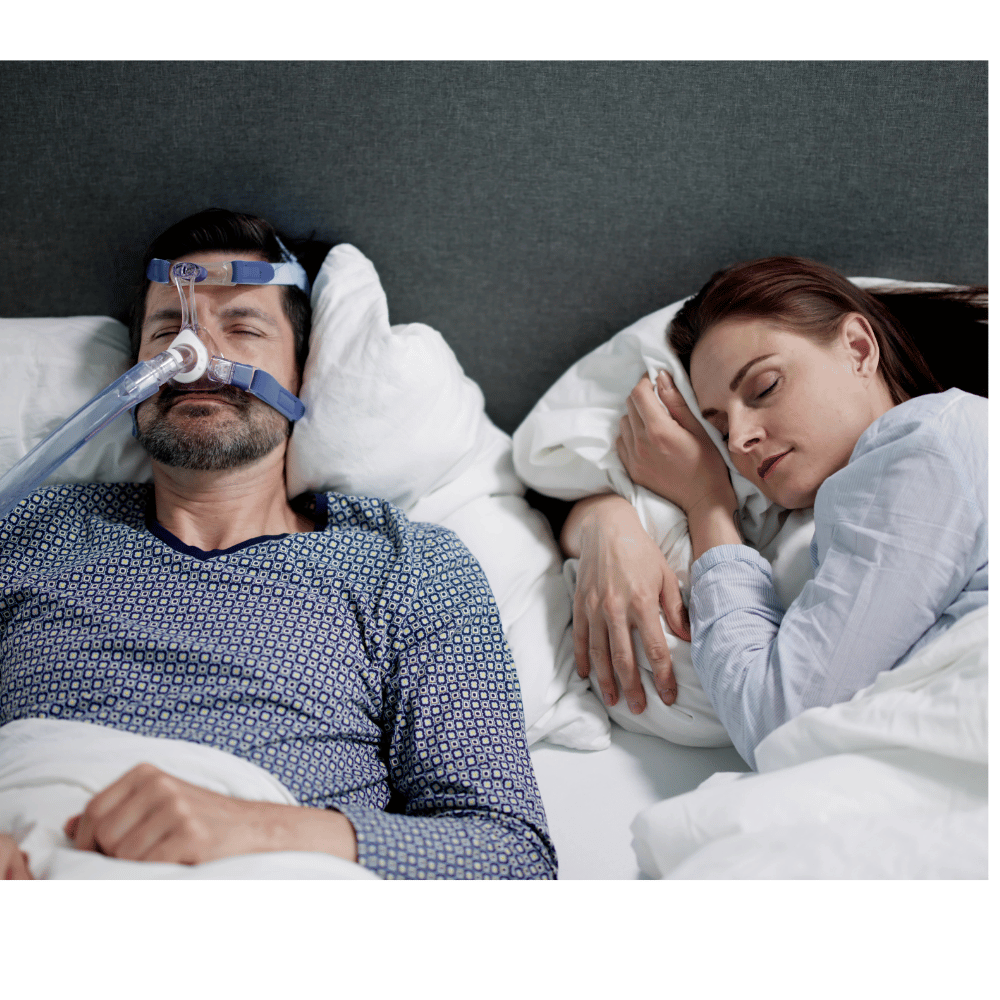
Treatment Timeline and Ideal Candidates
Vivos treatment typically lasts 12–24 months and involves wearing a custom-made oral device nightly. It’s best suited for individuals with airway narrowing linked to dentofacial abnormalities, especially those seeking a non-surgical, CPAP-free option.
Cost and Insurance Considerations:
Understanding the financial aspects of sleep apnea treatment involves navigating various factors. It is crucial for informed decision-making. Costs may fluctuate considerably depending on the selected treatment method, with CPAP machines and Vivos Therapeutics among the options. Key considerations include:
- Initial Consultation and Diagnosis: The treatment journey typically begins with professional assessments like sleep studies.
- Treatment Device or Equipment: CPAP users incur expenses for the machine, masks, and accessories, while Vivos patients require custom-designed oral appliances tailored to their needs.
- Follow-up Care and Adjustments: Regular visits to Healthcare providers are important for monitoring progress and adjusting the treatment plan for optimal results.
- Treatment costs vary, but financing and partial insurance coverage may be available through Vivos-trained providers.
Navigating Insurance Coverage
Understanding insurance coverage for sleep apnea treatment is essential due to variations in provider policies and plans:
- Coverage Policies: Patients should review their insurance policy or contact their insurer directly to determine which treatments are covered and the extent of their coverage.
- Pre-authorization: Certain treatments, such as the Vivos system, may require pre-authorization to ensure the insurer will cover some costs.
- Flexible Spending Accounts (FSAs) and Health Savings Accounts (HSAs).
CONCLUSION:
Vivos Therapeutics presents a compelling alternative to traditional CPAP therapy for those battling sleep apnea.
By addressing the structural causes of the condition, Vivos offers a chance for symptom management and potential long-term resolution.
Its non-invasive approach and the possibility of a life free from nightly machines and masks significantly advance sleep apnea treatment.
For patients seeking a more comfortable and effective solution, transitioning to Vivos could herald a new era of improved sleep and overall health.
Frequently Asked Questions
Does Vivos work for sleep apnea?
Vivos Therapeutics offers a promising approach to treating sleep apnea by targeting the condition's structural causes through dental and orthodontic interventions. While individual results can vary, many patients report important improvements in sleep quality, reduced snoring, and, in some cases, reduced or eliminated sleep apnea symptoms.
What is the Vivos method for sleep apnea?
The Vivos Method for sleep apnea is a non-surgical treatment approach that utilizes customized oral appliances to address and correct the underlying dental and skeletal abnormalities contributing to obstructive sleep apnea.
What is the new FDA-approved treatment for sleep apnea?
The FDA has sanctioned various sleep apnea treatments, notably Inspire Therapy, an internal hypoglossal nerve stimulator that enhances tongue and upper airway muscle control during sleep to avert obstruction. Among these innovations, recently achieved a milestone with the first-ever FDA 510(k) clearance for Oral Device Treatment, specifically targeting severe obstructive sleep apnea.
DEFINITION OF TERMS AND EXPERT INFORMATION:
- Vivos DNA Oral appliance: Dental device promoting sleep apnea treatment through jaw realignment.
- mRNA oral appliance: Device repositioning lower jaw to alleviate sleep apnea symptoms.
- Oral appliance therapy: Non-invasive dental device treatment to manage sleep apnea.
- Complete airway repositioning: Treatment method optimizing upper and lower jaw alignment for airflow.
- Daytime nighttime appliance: Device worn during daytime and nighttime for sleep apnea.
- Vivos appliance: Dental device designed to alleviate sleep apnea symptoms effectively.
- Other oral appliances: Various dental devices treat sleep apnea symptoms.
- FDA-cleared devices: Oral appliances approved by FDA for sleep apnea treatment.
Books:
- "The Sleep Solution: Why Your Sleep is Broken and How to Fix It" by W. Chris Winter
- "The Complete Guide to a Good Night's Sleep" by Dr. Christopher Winter
- "Sleep Apnea: A New Approach" by Richard W. Simmons
Websites:
- American Sleep Apnea Association (ASAA) - Provides information, resources, and support for individuals with sleep apnea: https://www.sleepapnea.org/
- National Sleep Foundation - Offers educational resources and tips for improving sleep quality: https://www.sleepfoundation.org/
- Vivos Therapeutics - The official website of Vivos Therapeutics offers information about their treatment options for sleep apnea: https://vivoslife.com/
Organizations:
- American Academy of Sleep Medicine (AASM) - A professional organization dedicated to sleep medicine, providing resources and information about sleep disorders: https://aasm.org/
- Vivos Institute - The educational arm of Vivos Therapeutics, offering training and resources for healthcare professionals interested in providing Vivos treatment options: https://vivosinstitute.com/
- National Heart, Lung, and Blood Institute (NHLBI): This website provides information about sleep apnea, its symptoms, diagnosis, and treatment options: https://www.nhlbi.nih.gov/health-topics/sleep-apnea.
This article is for informational and educational purposes only and is not a substitute for professional medical advice, diagnosis, or treatment. Always consult a qualified physician, sleep specialist, or licensed healthcare provider before making decisions about sleep apnea treatment options, including CPAP alternatives such as the Vivos oral appliance therapy. Never ignore medical advice or delay